Tell us about the job
Takes about a minute. No obligation.
Sizing a boiler for this house means sizing it for what the house actually demands through a real winter, not for a worst-case number borrowed from a colder region. Homes in Lee County, SC run heat about five months a year, from November through March. The burner and heat exchanger cycle through that entire period, and a unit that is undersized runs longer per call, accumulates more ignition events, and stresses the heat exchanger in ways that show up years before they should. A contractor working an installation here runs a proper load calculation before specifying equipment, because the margin between a correctly matched boiler and an overworked one is where long-term reliability is either built in or given away.
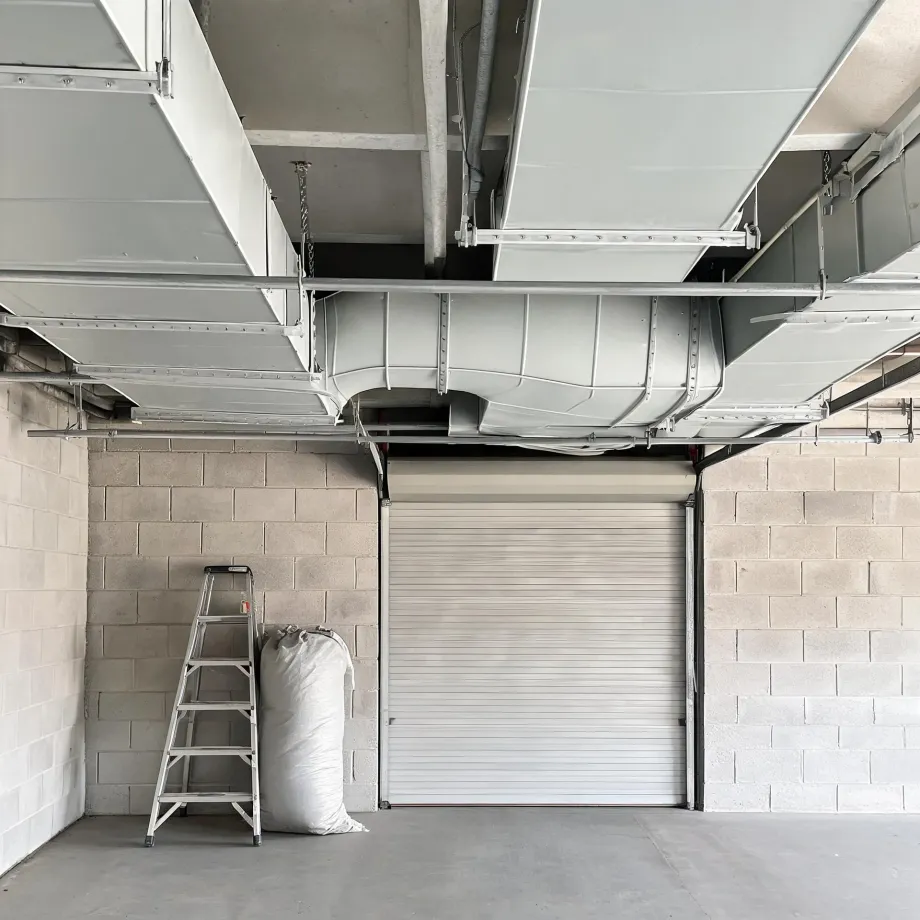
Existing ductwork decides how a boiler installation goes in this county more than the unit itself does. Half the homes in Lee County, South Carolina were built in 1983 or earlier (2020-2024 ACS 5-year). A house built around that era was ducted for whatever system the builder put in, and the ductwork that remains is what a contractor has to measure and pressure-test before a quote means anything. If it runs too small, or was patched in sections over the years, the new boiler does not perform to spec no matter what the equipment label says. The electrical service gets the same look, since the load a modern boiler draws has to be confirmed against what the panel can supply.
What a Boiler Installation Puts in Your Home
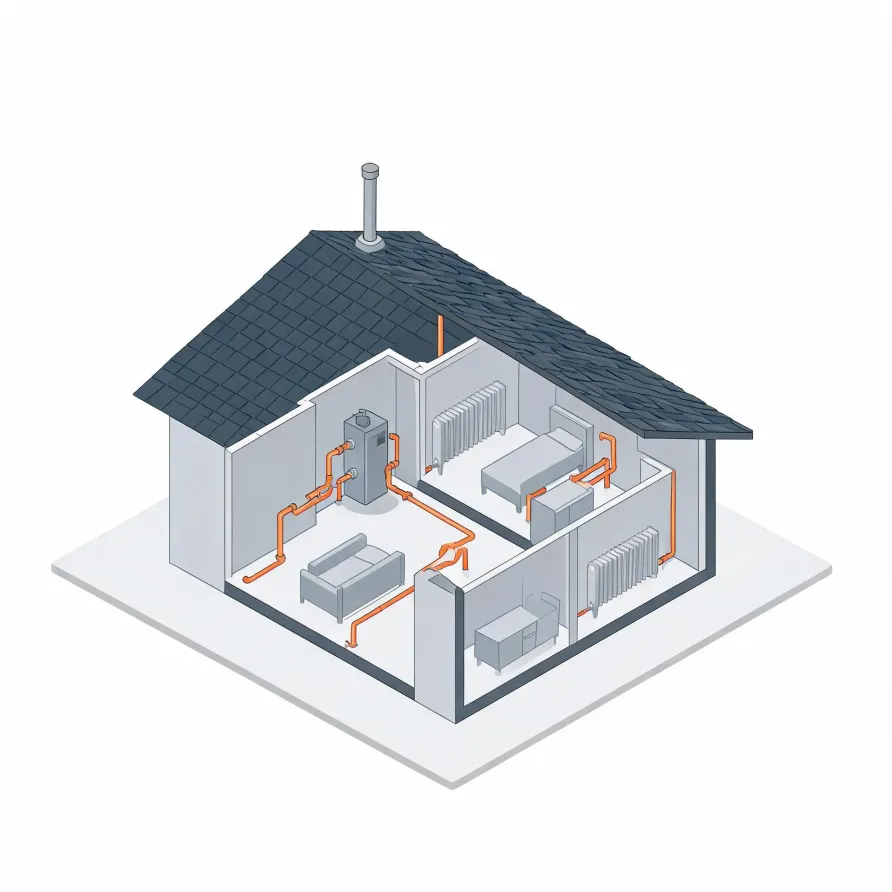
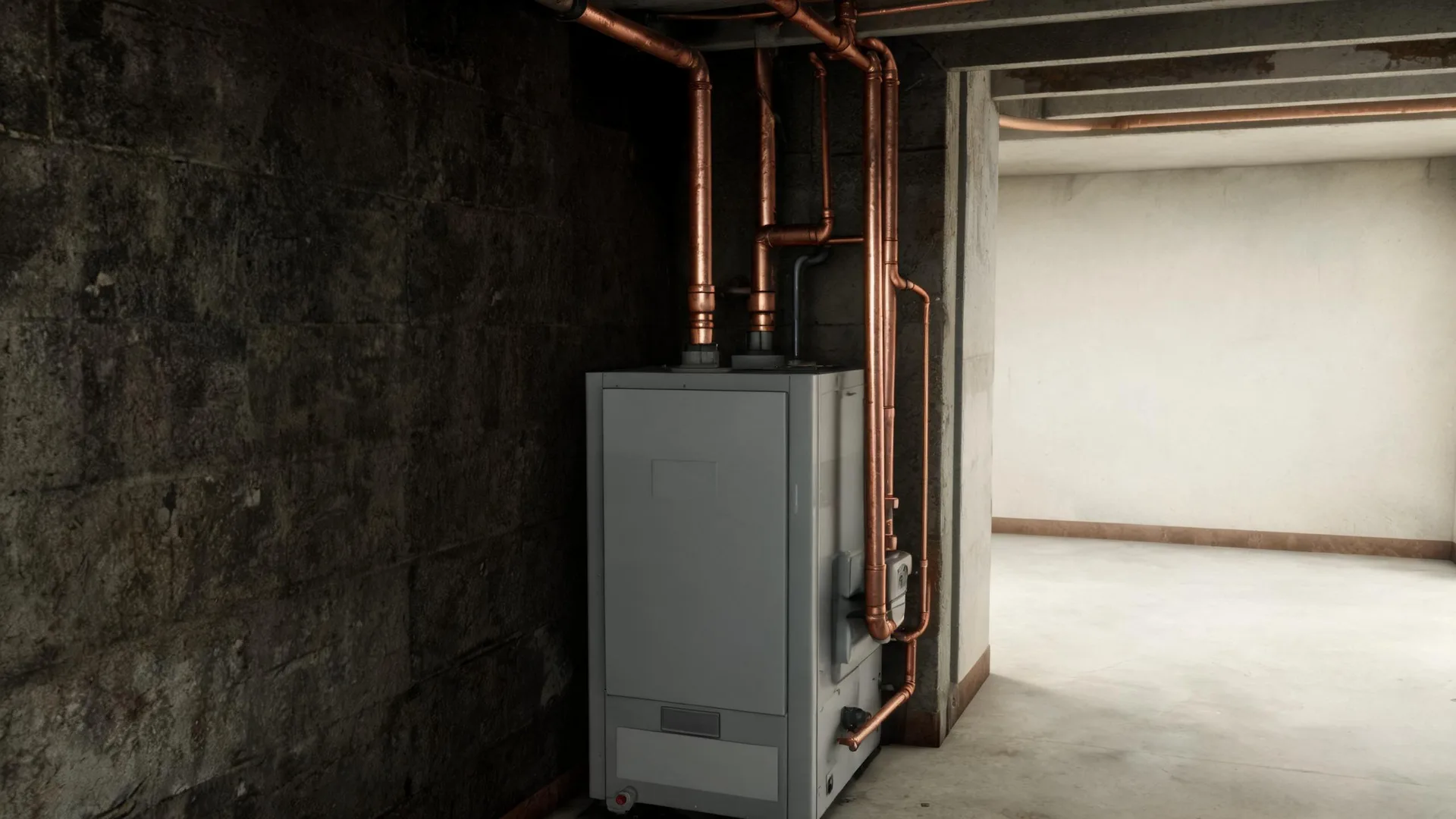
The boiler itself sits in a mechanical room, basement, or utility closet and is the unit that heats water for the whole system. Wall-mounted or floor-standing, it is the piece a contractor fits first. Radiators or baseboards in each room receive that heated water and give off warmth into the living space.
A circulator pump moves water through the pipe runs that connect the boiler to every radiator or baseboard in the house. An expansion tank, usually hung near the boiler, absorbs pressure changes as the water heats and cools. A thermostat on the wall ties it all together by telling the boiler when to fire.
The drawing shows a representative layout, and a licensed contractor determines exactly what applies to this house.
Get matched in Lee CountyLee County, South Carolina, by the numbers
66 severe weather events were recorded in Lee County, South Carolina between 2015 and 2024.
NOAA National Centers for Environmental Information, Storm Events Database, bulk CSV export, events 2015-01-01 through 2024-12-31.Half the homes in Lee County, South Carolina were built in 1983 or earlier (2020-2024 ACS 5-year).
U.S. Census Bureau, 2020-2024 American Community Survey 5-Year EstimatesLee County, South Carolina holds 7,602 housing units (2020-2024 ACS 5-year).
U.S. Census Bureau, 2020-2024 American Community Survey 5-Year EstimatesOwners occupy 70.5% of the occupied homes in Lee County, South Carolina (2020-2024 ACS 5-year).
U.S. Census Bureau, 2020-2024 American Community Survey 5-Year EstimatesBoiler Installation Rules for Lee County, South Carolina1 codes and standards
Licensing and Legal Requirements in Lee County, South Carolina
South Carolina requires a mechanical contractor license for contracting work whose total cost of construction is greater than ten thousand dollars.
Severe Weather Events in Lee County
The stress a boiler carries depends partly on what the climate throws at the building around it. Extreme weather events drive the kind of demand swings that shorten equipment life and make proper installation sizing a local decision.
66 severe weather events, 2015–2024. Source: NOAA National Centers for Environmental Information, Storm Events Database.