Tell us about the job
Takes about a minute. No obligation.
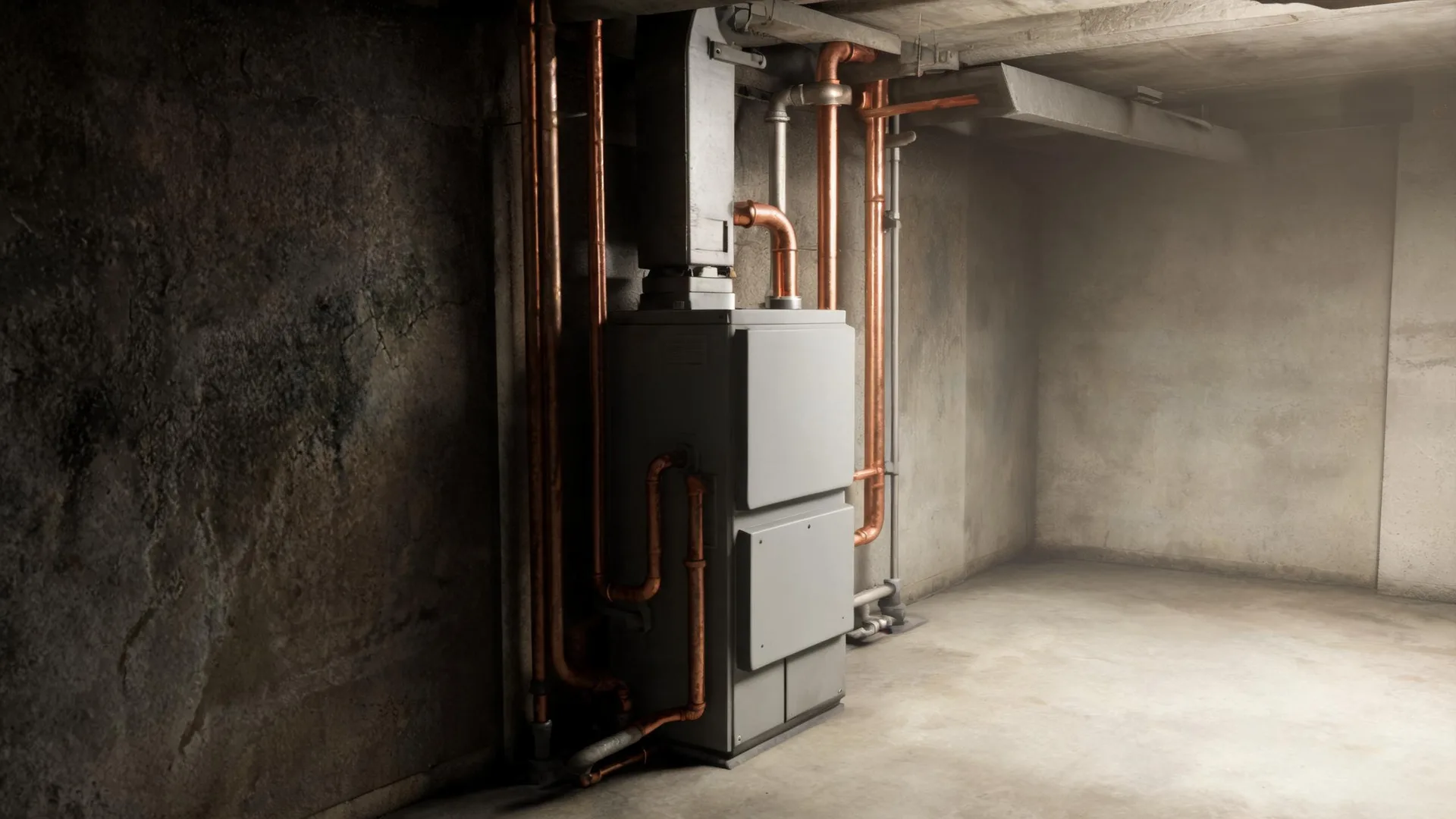
A boiler repair in Lexington County starts with the burner and the heat exchanger, because that is where the load lands. Homes in Lexington County, SC run heat about five months a year, from November through March. Cycling on and off through those months works the ignition system hard, and the heat exchanger accumulates stress at every firing. When a boiler comes in for repair, a contractor checks ignition components and inspects the heat exchanger for cracks or corrosion before pricing anything else, because those parts have absorbed the bulk of what the system has been asked to do.
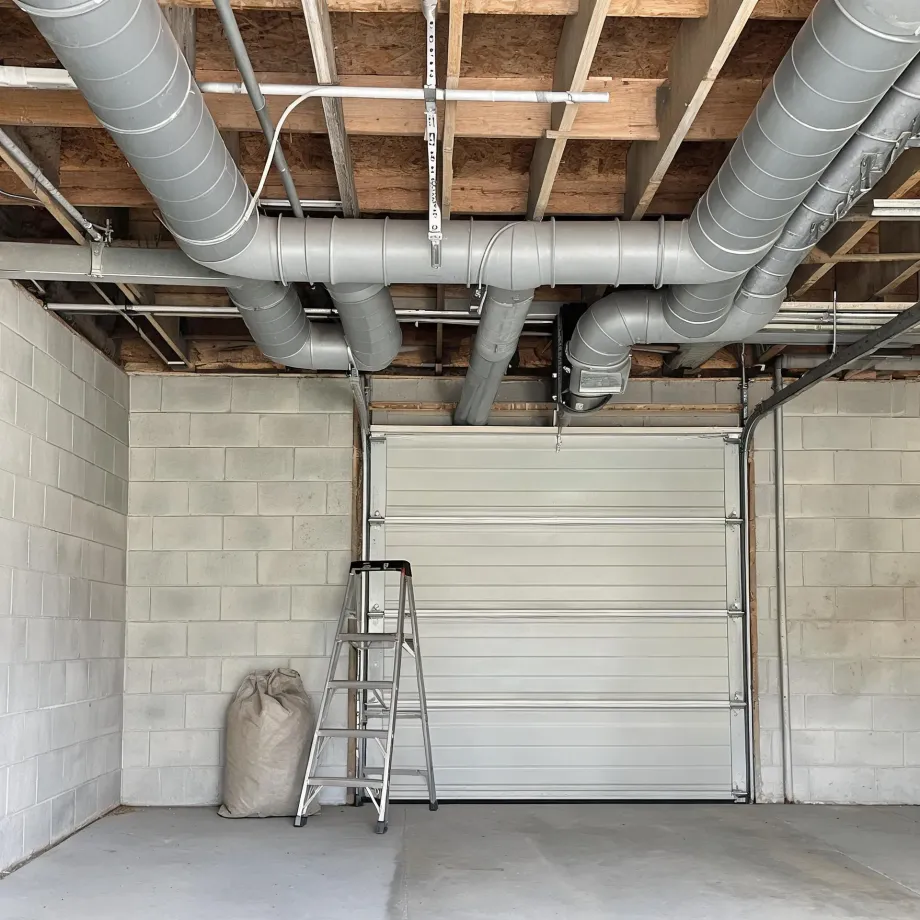
Boiler repair in this county turns heavily on what a contractor finds once the jacket comes off and the connections are exposed. Half the homes in Lexington County, South Carolina were built in 1993 or earlier (2020-2024 ACS 5-year). A boiler running in a house that old has likely been patched or partially swapped across its service life, which means the flue routing, the piping connections, and the controls can be a mix of generations. A part that fails may have been superseded, and what is available now does not always drop in cleanly against what the original installation left behind.
The Parts of a Boiler a Contractor Checks First
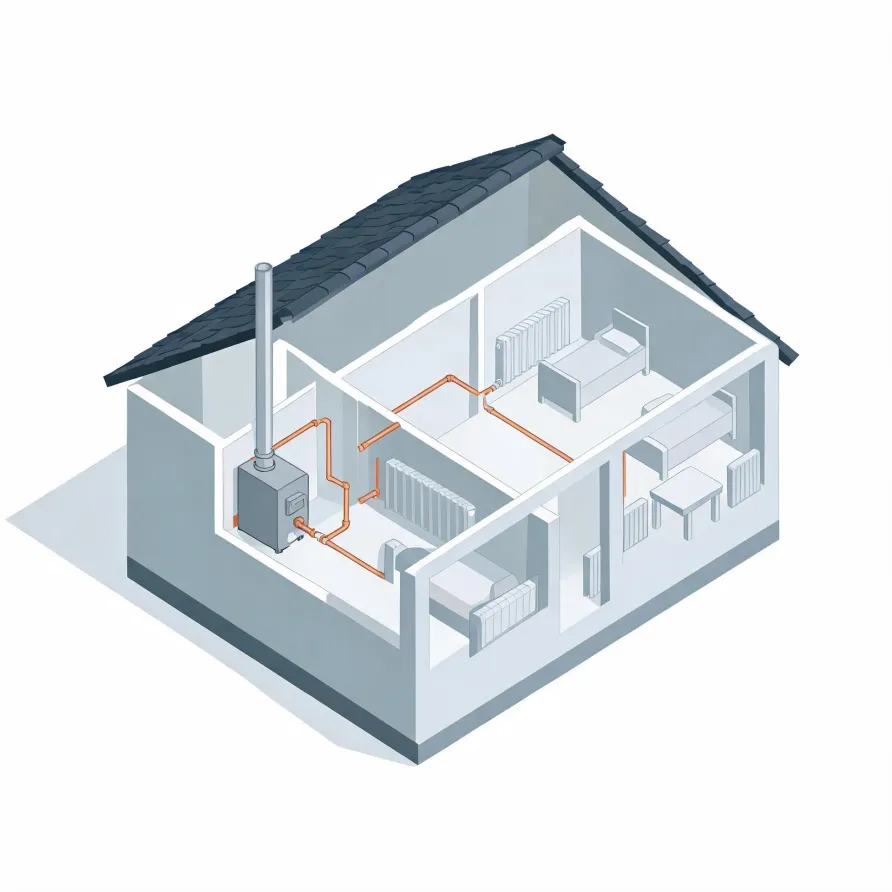
The boiler itself is the heart of the system, sitting in the basement or mechanical room, where it heats water and sends it out through the pipes. The heat exchanger inside it is where a contractor looks early: cracks or scaling there affect the whole system. The burner and gas valve are checked alongside it, since either can be the source of ignition or pressure problems.
The circulator pump moves heated water from the boiler through the piping to the radiators or baseboard units in each room. The expansion tank, usually mounted near the boiler, keeps pressure from building past safe limits. The thermostat ties it all together, signaling the boiler when to fire, and a faulty one can mimic symptoms that look like a mechanical failure elsewhere.
The drawing shows a representative layout, and a licensed contractor determines what applies to the specific system in your home.
Get matched in Lexington CountyLexington County, by the numbers
434 severe weather events were recorded in Lexington County, South Carolina between 2015 and 2024.
NOAA National Centers for Environmental Information, Storm Events Database, bulk CSV export, events 2015-01-01 through 2024-12-31.Half the homes in Lexington County, South Carolina were built in 1993 or earlier (2020-2024 ACS 5-year).
U.S. Census Bureau, 2020-2024 American Community Survey 5-Year EstimatesLexington County, South Carolina holds 132,916 housing units (2020-2024 ACS 5-year).
U.S. Census Bureau, 2020-2024 American Community Survey 5-Year EstimatesOwners occupy 77.4% of the occupied homes in Lexington County, South Carolina (2020-2024 ACS 5-year).
U.S. Census Bureau, 2020-2024 American Community Survey 5-Year EstimatesBoiler Repair Rules & Standards on the Books in Lexington County, South Carolina1 sourced regulations and codes
Licensing and Legal Requirements in Lexington County, South Carolina
South Carolina requires a mechanical contractor license for contracting work whose total cost of construction is greater than ten thousand dollars.
Severe Weather Events in Lexington County
Weather puts stress on heating equipment. In Lexington County, what the climate does year to year shapes how hard a boiler has to work and how soon wear catches up with it, which makes local weather history a real factor in repair and service decisions.
434 severe weather events, 2015–2024. Source: NOAA National Centers for Environmental Information, Storm Events Database.