
Repair or replace an old boiler in South Carolina
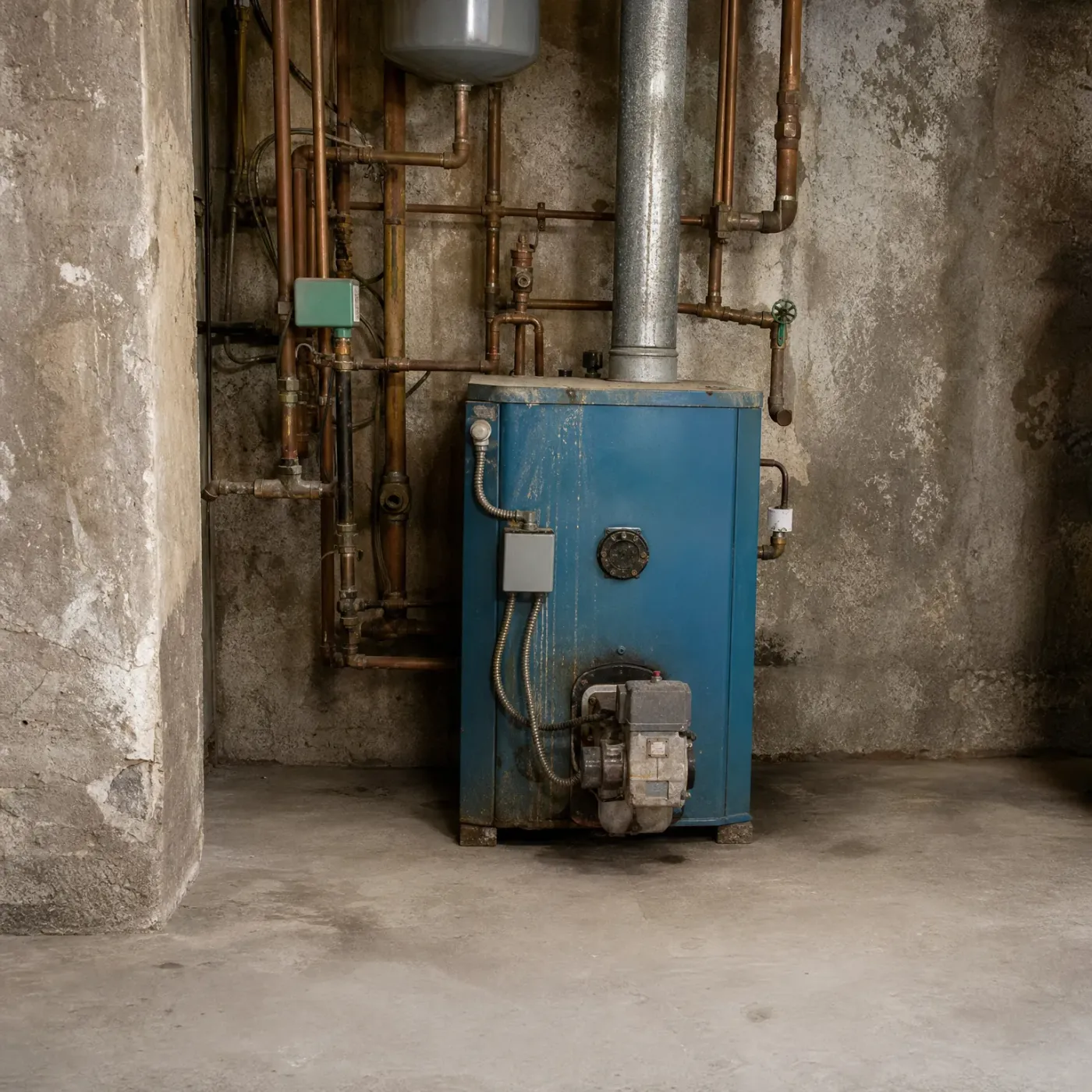
A boiler that is old, breaking down more than once a year, or still running on a pilot light is usually worth replacing rather than fixing again. Boilers last a long time, often two decades or more, but the older they get the more a repair just holds the line until the next part fails. Parts for an old unit can also get hard to find. Most homes in South Carolina heat with electricity, so if your boiler is gas or oil and it's getting old, a newer boiler or an electric system can run more efficiently through the colder months here. A single repair might be the right call if the unit is still young and the problem is small, like a thermostat or a valve. If it's old and the repairs keep stacking up, replacing it is usually the better move.


How a Boiler Actually Works
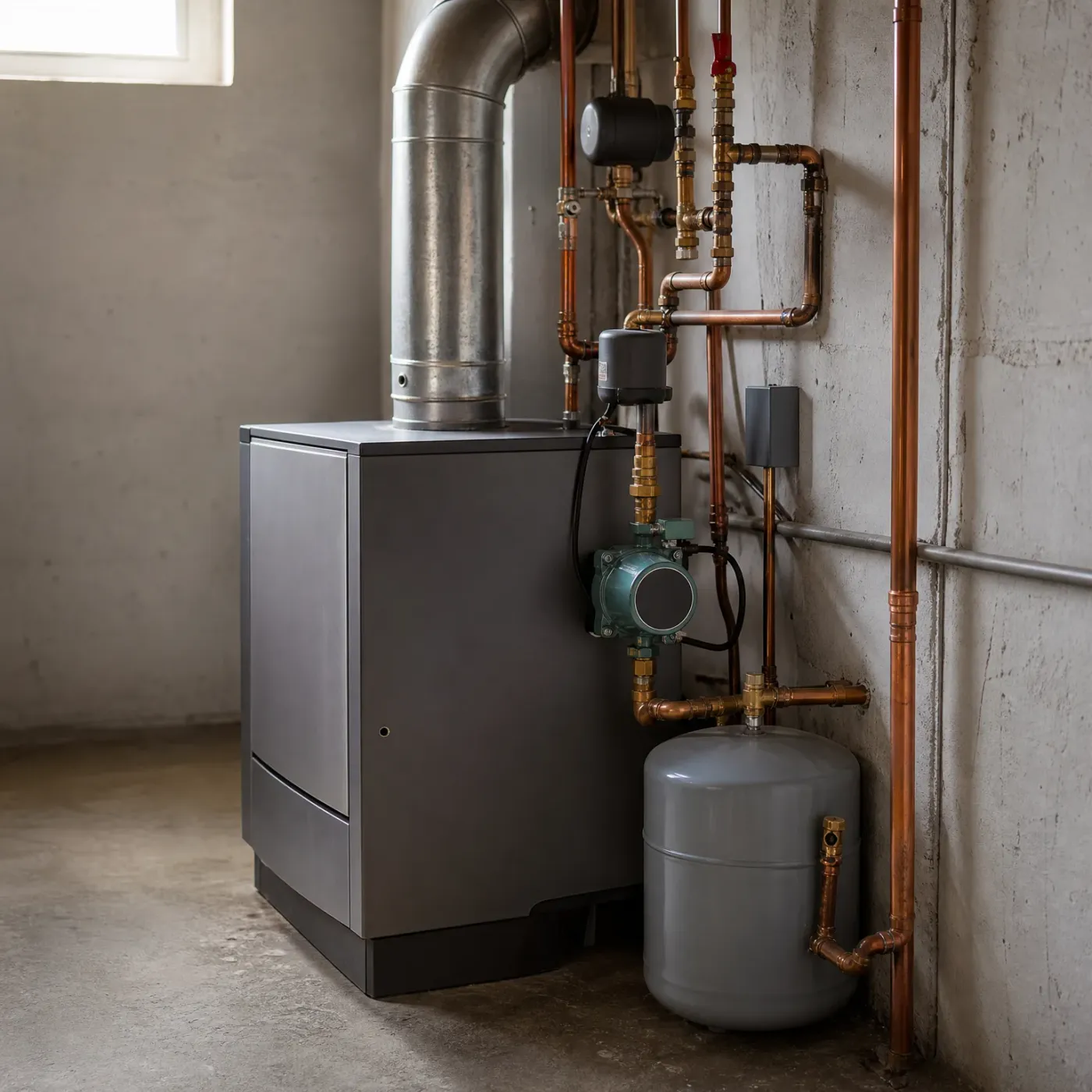
- A boiler heats water or makes steam and sends it to radiators or baseboard units, then the cooled water or condensed steam returns to be heated again.
- The circulator pump moves hot water through the loop; on a steam system there's no pump, pressure alone pushes steam through the pipes.
- An aquastat reads water temperature and tells the burner when to fire, keeping the water within a set range instead of running constant.
- A standing pilot burns around the clock to light the main burner on demand, while an electronic igniter only sparks when the thermostat calls for heat.
- Low water cut-off switches shut the burner down if water level drops too far, protecting the heat exchanger from running dry.
- Expansion tanks absorb the pressure that builds as water heats up, keeping the system from venting water through the relief valve every cycle.
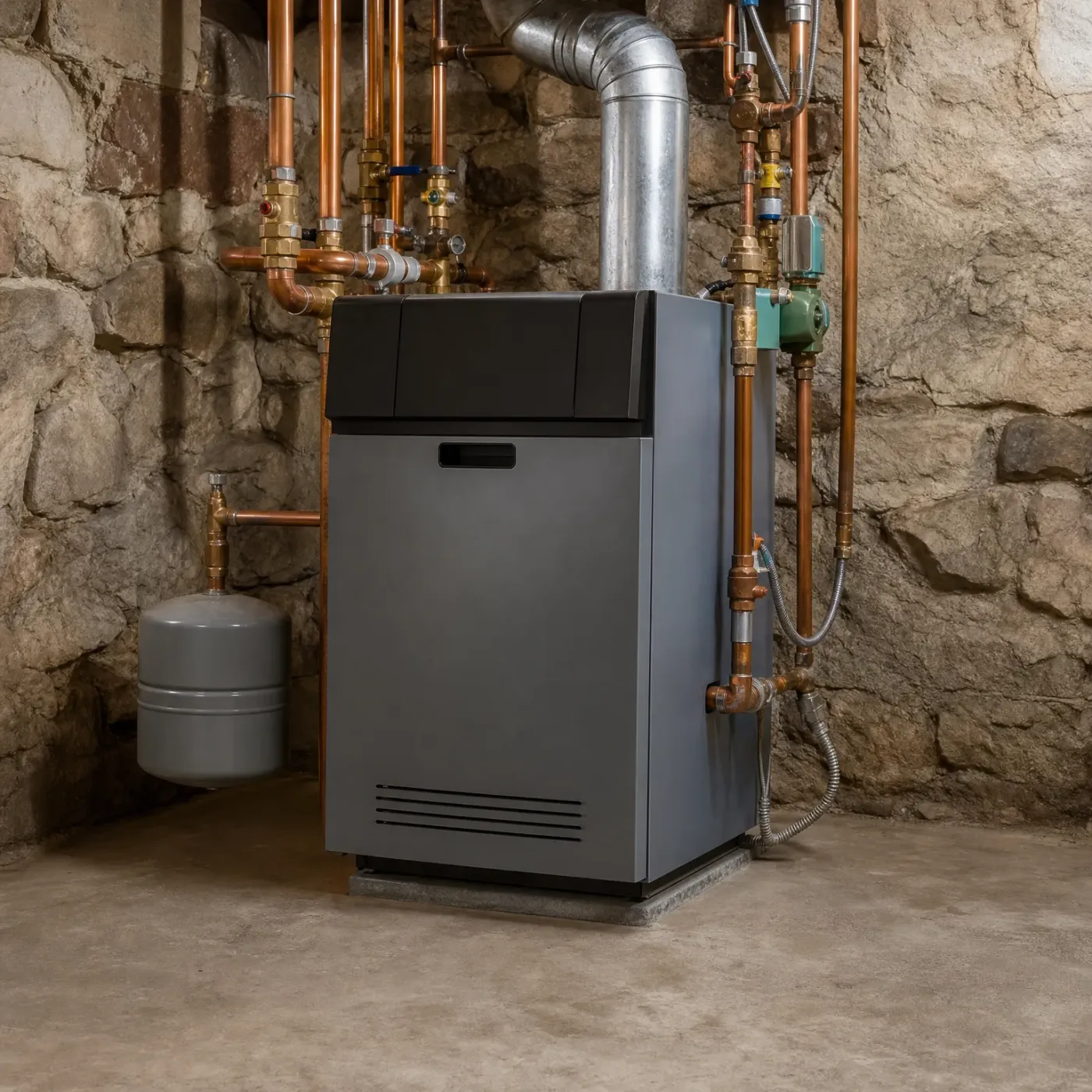
A boiler doesn't heat your house directly. It heats water, sometimes to a boil for steam, sometimes just hot for a water loop, and sends it out to radiators or baseboard units around the house. Once that heat transfers into the room, the water cools or the steam condenses, and it travels back to the boiler to go through the cycle again. On a hot water system, a circulator pump keeps that loop moving. Steam systems skip the pump entirely. Pressure alone is enough to push steam up through the pipes and into the radiators.
The aquastat is what keeps the whole thing from running nonstop. It reads the water temperature and tells the burner when to fire and when to back off, holding the water in a set range. How the burner lights depends on your boiler's age. Older units often run a standing pilot, a small flame that stays lit day and night so it's ready the instant the thermostat calls for heat. Newer ones use an electronic igniter that only sparks when it's actually needed.
A couple of safety parts matter here too. The low water cut-off shuts the burner down if water level falls too low, which protects the heat exchanger from damage. The expansion tank gives the heated water somewhere to go as it expands, so the system isn't constantly venting through the relief valve just to relieve pressure.
Send one request and you're done looking

Skip collecting and comparing quotes for the new boiler.
It costs nothing to send, and you don't have to hire anyone.
Why boilers in South Carolina run less
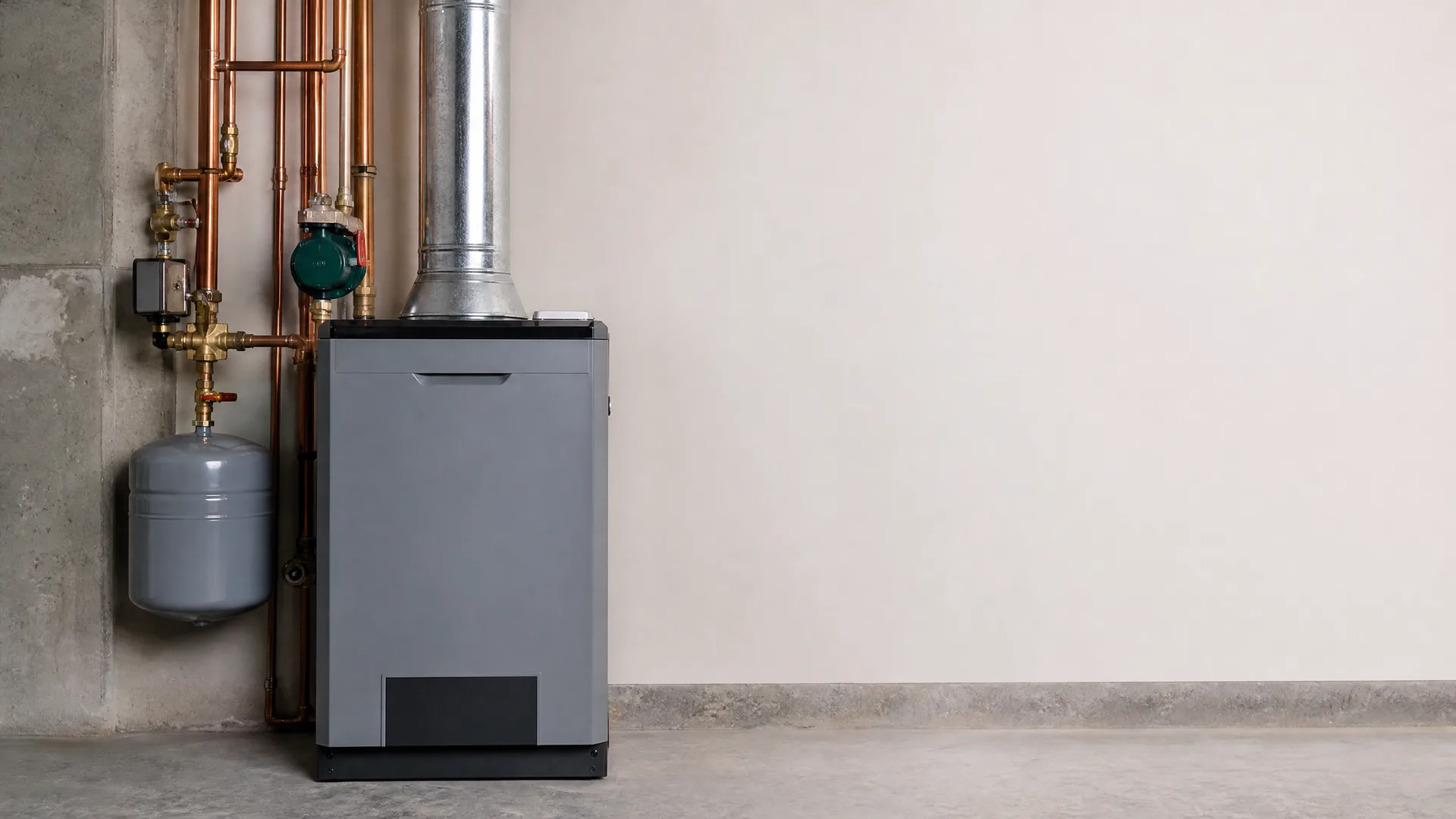
Most homes here heat with electricity, so a boiler is often backup or a holdover from an older system rather than the main source of heat. That changes how to judge it. A boiler that only fires on the coldest nights of the year will show fewer hours of wear than one running all winter, but a crack in a heat exchanger or a failed circulator pump doesn't care how little the unit was used.
What a pilot light tells you
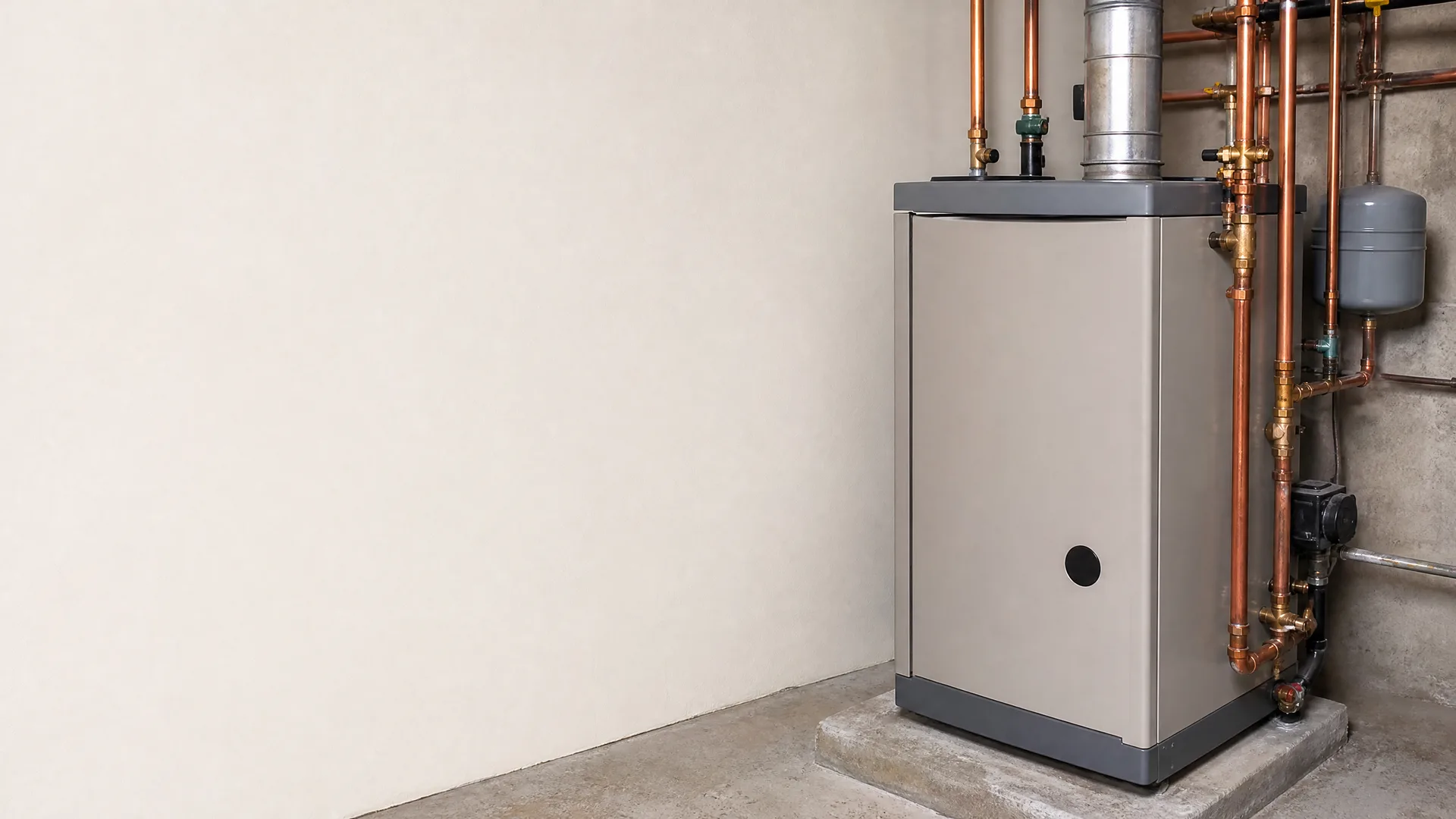
A standing pilot burns gas continuously, whether the boiler is heating or not, and it doesn't need power to stay lit. If yours still has one, that alone marks it as an older design built before electronic ignition became standard. Newer boilers light only when there's a call for heat, which is one reason a replacement unit costs less to run than the one it's replacing, even with power priced about the same as everywhere else.
Why does your boiler sound different than it used to
Since your boiler probably isn't running every day, a knock or a gurgle in the pipes stands out when it happens. You might hear banging when it first fires, or notice a radiator that stays cool while the others heat up. Water pooling near the base, or a rust-colored stain on the floor, means something is leaking somewhere in the system. A pilot that keeps going out, or a smell of gas when it's lit, isn't something to wait on. Left alone, a leak can damage the floor underneath it, and a pilot problem can leave you without heat on the one night you need it.




Winter nights average 36°F statewide
36°F doesn't sound severe, and most nights here it isn't, but it's enough to call for heat on and off most of the winter. A boiler that fires on and off this way, rather than running steady, is harder on an old unit than a longer stretch of real cold.
NOAA nClimDiv 1991-2020 county normals weighted by homes

Where that leaves you
An old boiler that keeps needing attention, or one still running on a pilot light, costs you more than the repair itself. A new one stops that cycle. A boiler that's still young and only failed once is usually worth fixing.
You know which one describes your situation. What's left is finding a contractor who'll look at your boiler, give you a straight answer, and quote the job honestly, instead of you calling around, telling three different people the same story, and sorting through quotes to figure out who to trust. Send the form and that part is off your plate.

Finding a pro stops being your job
Fill out one short form instead of calling around.
No charge to send it. You decide if you hire them.