Repressurize it yourself
If the needle's just low, the fill valve on the boiler lets you bring it back up in a few minutes. Fine if it holds steady after.
A pro who works on boilers
Most boilers want 12 to 15 psi cold and a bit more once the system's running. Too low and it won't circulate right, too high and the relief valve starts dripping. This page covers what your gauge should read and what it means if it's not. Since most homes here heat with electricity, a boiler is less common, so when something's off it helps to have a local contractor who works on these year-round look at your specific setup.
Match me with a proA cold boiler should read 12 to 15 psi on the gauge. Once it's fired up and the water heats, expect that to climb a few pounds higher, since hot water takes up more room than cold water does. If your boiler is one of the fewer systems keeping a South Carolina home warm through the winter months, that gauge is worth a look now and then, especially before the weather turns cold enough to run it hard. A reading under 12 means there isn't enough water in the system to push heat through the radiators or baseboards, and you'll likely notice cold spots or a system that won't circulate. A reading past 20 means the relief valve may start letting water out on its own, which is the system protecting itself from too much pressure. Either way, the number on the gauge is telling you something specific about the water inside, not just a vague sign of wear.
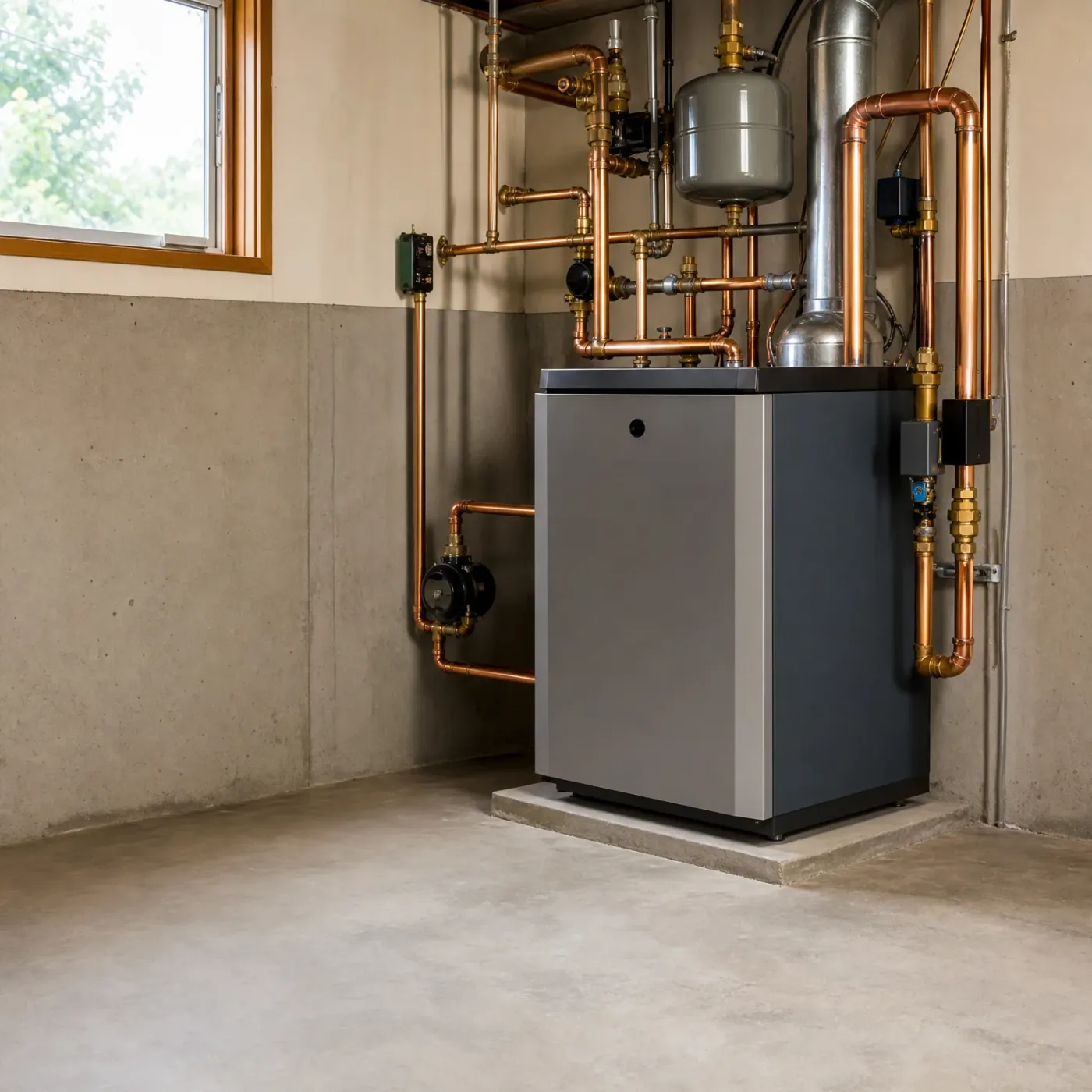
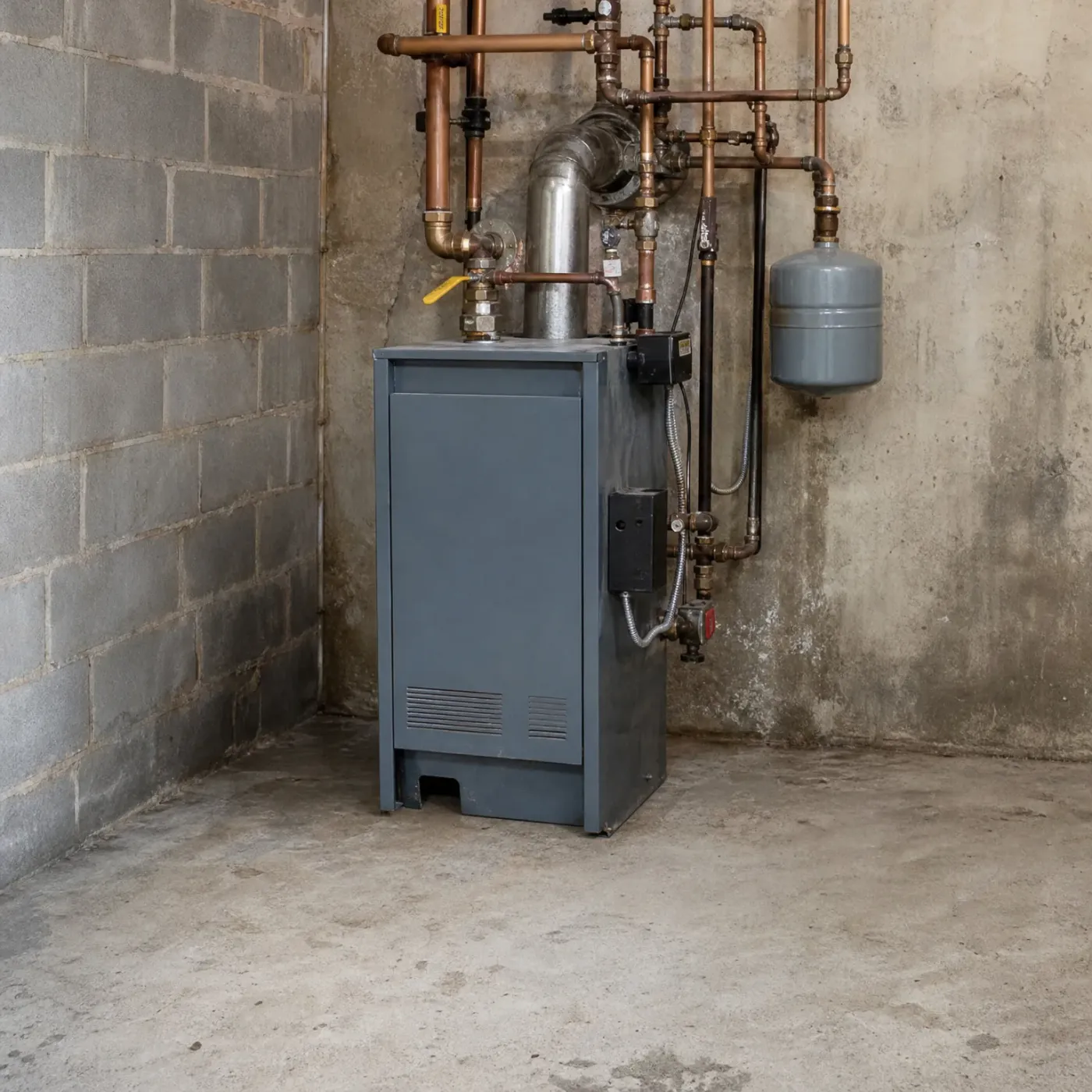
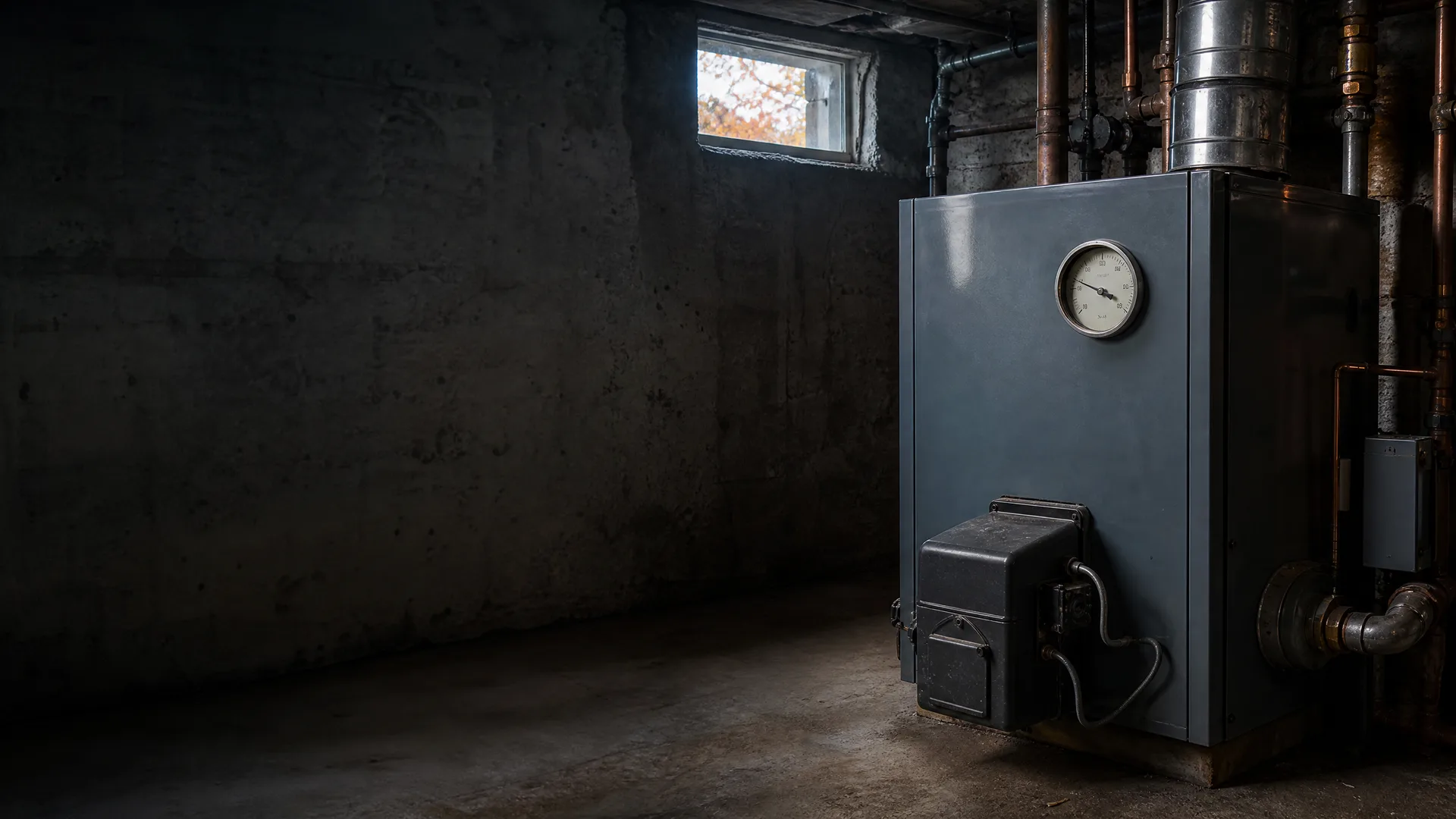
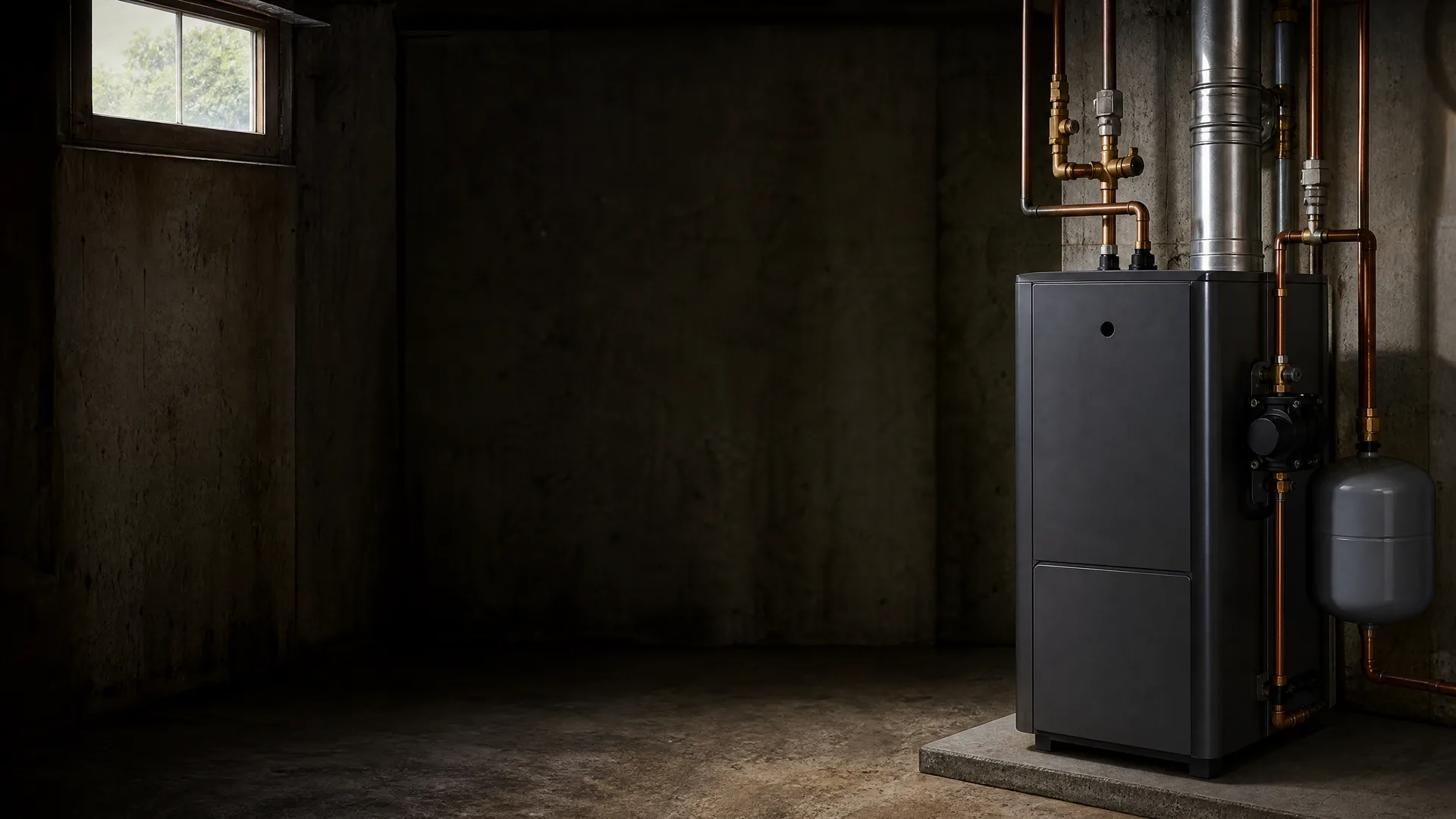
You go down to check the boiler on a cool October morning, the kind where you've started wondering if it's time to fire the system up for the day. The basement is quiet. You crouch by the gauge out of habit more than worry, and the needle's sitting under 10, well short of where it was last time you looked. The pilot's lit, the room's not cold, nothing's dripping. But the needle doesn't move when you tap the glass, and you stand there a second longer than you meant to, trying to remember if it read low like this last fall too, or if this is new.




A boiler that's only a few psi off its mark often runs fine for a while before it doesn't. The needle creeps down over a few weeks, or it climbs past 30 and nobody notices until the relief valve starts dripping onto the floor. By then you're not looking at a quick fix anymore, and since your boiler is one of the fewer systems around here doing the heating instead of electric baseboard or a heat pump, finding someone who actually works on boilers, not just furnaces and AC units, matters more than it would most places in South Carolina. A local contractor who services boilers all season knows which gauges run a little optimistic, which pressure reducing valves tend to fail first, and what a reading like yours usually points to before taking anything apart. That's worth more than guessing at it yourself, especially if the pressure's been drifting and you'd rather catch it now than after the valve's already let go.
A boiler is a closed loop, so the water inside can't just expand into open space the way it would in an open pot. When the burner heats it, that water expands and has nowhere to go but against the gauge, which is why the reading climbs once the system's running. The expansion tank is what's supposed to absorb most of that rise. If the tank has lost its air charge or is waterlogged, the gauge will jump further than it should on startup, sometimes enough to trip the relief valve even though nothing else is wrong with the boiler itself.
Most residential boilers have an automatic fill valve plumbed into the cold water line, set to let water in whenever the system pressure drops below about 12 psi. It's there to catch small losses on its own, the kind that come from air vents bleeding off a little water or a fitting weeping slightly over months. What it can't do is keep up with an actual leak. If you're seeing the gauge climb back to normal on its own every few days, the fill valve is doing its job. If it never seems to catch up, something's draining the loop faster than the valve can refill it.


If the needle's just low, the fill valve on the boiler lets you bring it back up in a few minutes. Fine if it holds steady after.
If it keeps dropping, or it's climbing past 30, something's wrong that a refill won't fix. A local contractor who services boilers all winter can find it.
On a 36°F night the water in your boiler's loop contracts, and the gauge can settle a pound or two lower than it read the evening before. Checking it cold on a winter morning is a fairer read than checking it after the burner's been running.
NOAA nClimDiv 1991-2020 county normals weighted by homes
Twelve to 15 psi cold, holding steady once the burner's been running. That's the whole answer. If your gauge sits there and stays there, the boiler is doing its job and there's nothing to chase. If it doesn't, the needle itself tells you which way the problem runs. A slow slide down between fill-ups means water is leaving the loop somewhere, at a valve, a fitting, a spot in the piping, and refilling it without finding that spot just buys you a few weeks before you're back at the gauge again. A needle pinned above 30, or a relief valve dripping onto the floor, means the system is holding more than it should and that's not something to wait out.
Boilers aren't the usual setup in South Carolina. Most houses around here heat with electricity, so a boiler in the basement puts you in the smaller group of homeowners dealing with a system most contractors don't see every week. That's exactly why it matters who looks at it. A contractor who services boilers all season, not just when one happens to come up, knows what tends to fail first on these systems and what a dripping relief valve or a slow pressure drop usually means before they've even opened the panel.
You'll get matched with one licensed local contractor suited to your situation, not a list of five companies competing for the callback.
Your request stays with one local pro.