 Find a pro near me
Why your boiler is losing pressure in South Carolina
Tell a local repair pro what your boiler is doing.
A boiler that keeps losing pressure is telling you something is letting water or air out of a closed system. It might be a small weep from a valve, a bleed point that never seated right, or air building up somewhere in the loop. You can watch the gauge and top it off, but if it drops again in a few days, there's a reason, and finding it means getting eyes on the system.
Most homes in South Carolina heat with electric systems, so a boiler here is often doing one job in a house built around a different kind of heat. That's not a problem by itself, but it means whoever looks at yours needs to actually know boilers, not just HVAC in general. A tech who mostly services heat pumps and electric furnaces may not catch a pressure loss that a boiler specialist would spot in minutes.
Finding that person is the part that takes the time. Calling around to ask who even works on boilers, explaining the symptoms over and over to each one, waiting on callbacks, then trying to compare quotes that aren't quite answering the same question. That's work most people don't have room for while they're also topping off a gauge every other day.
This page connects you with a contractor who handles boiler repair and knows the work this system actually needs. You answer a few questions about what's going on, and a contractor who fits your situation reaches out to you directly. No list of strangers to vet, no repeating yourself from scratch with each call.
What happens after that, the diagnosis and the fix, is between you and the contractor. But getting to that first real conversation, with someone who already knows what you're dealing with, is the part this page takes off your plate.
A boiler that keeps losing pressure has water or air escaping somewhere in a closed loop. Most of the time it's a slow weep, not a burst. The usual spots are the pressure relief valve, a pump seal, a radiator valve, or a joint that was never quite tight. Sometimes it's not a leak at all; an automatic air vent lets a little water out each time it releases air, and that alone can drop the gauge over a few weeks. Since most homes in South Carolina heat with electric systems rather than boilers, parts and the person who knows this equipment well can take more time to track down here than in places where boilers are common. Letting it go a little lower each month isn't harmless. Low pressure can trip a lockout and leave you with no heat on a cold morning, and a leak that stays small for a while doesn't always stay small.
Get the right pro for your boiler
Describe what your boiler is doing once, in one form.
Describe your boiler job, and a local pro who handles it gets in touch.
You only hire the pro if you want to.
Keep Topping It Off, Or Fix The Leak
Keep topping it off
- You keep a bucket and a hose near the boiler and refill it every week or two when the gauge drops below 1.
- Every refill adds fresh water with more dissolved oxygen, which feeds corrosion on the inside of pipes and the heat exchanger.
- You're watching the gauge yourself, so a slow weep that speeds up can still catch you off guard before a cold snap.
- The actual leak point, whether it's the pressure relief valve, a pump seal, or a joint, keeps losing a little more water each time.
- Since most homes here heat with electricity, a boiler running low on pressure can trip on low-water cutoffs and leave you without heat on a cold morning.
- You're the one calling around, explaining the gauge and the bucket and the drip to whoever picks up, and then doing it again with the next contractor.
Get the leak found and fixed
- A contractor pressure-tests the system to find exactly where water or air is getting out, rather than guessing from the gauge alone.
- Once the leak is sealed, the system holds its fill and you stop needing to add water or air on a schedule.
- Less fresh water cycling through means less oxygen working on the pipes and the heat exchanger over time.
- You're matched with a contractor who handles this kind of leak, instead of sorting through quotes and explaining the same symptoms twice.
- The boiler holds pressure through the swings between muggy summers and the cold mornings it has to work hardest.
Why the pressure gauge moves at all
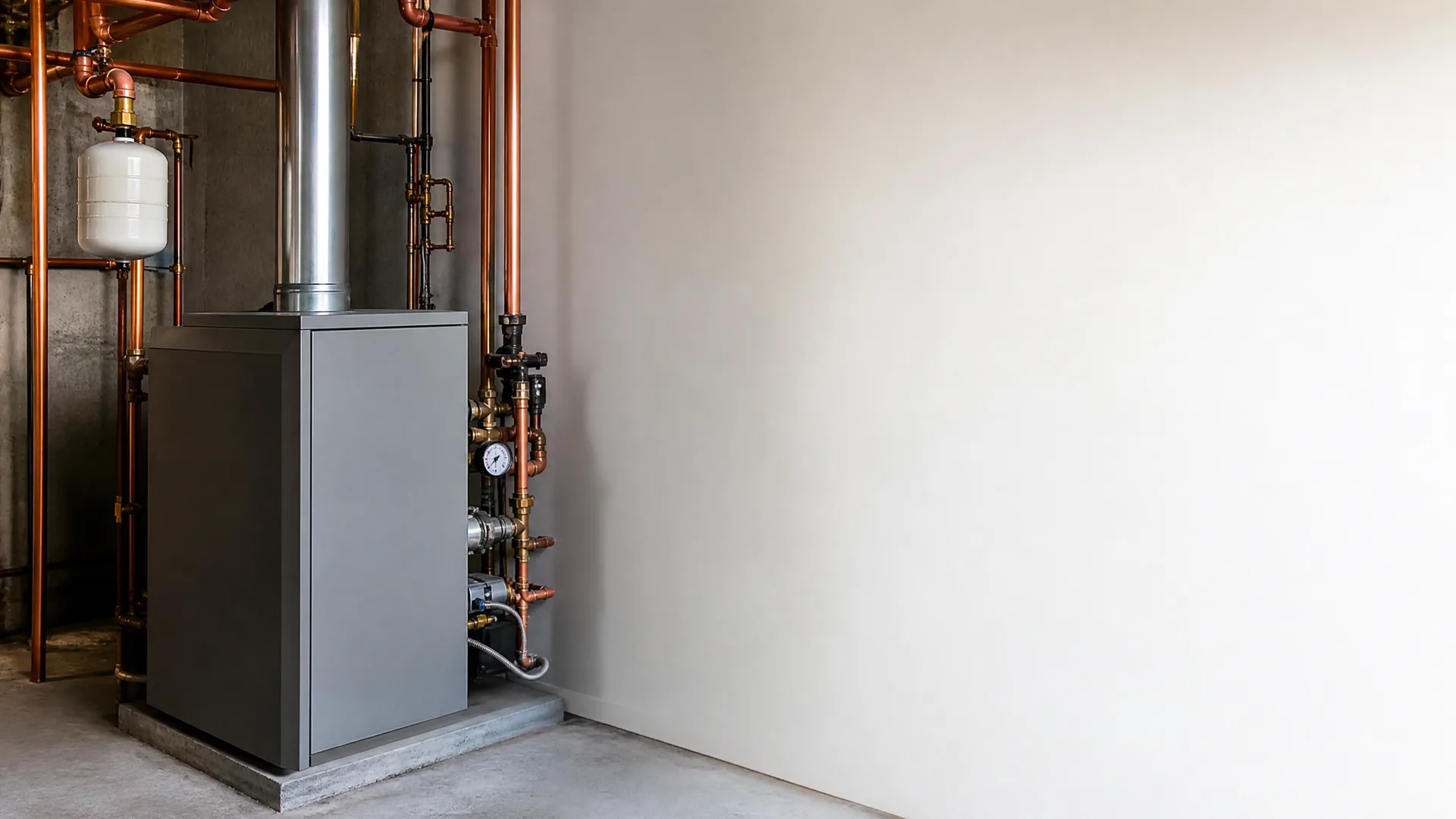
A boiler's gauge reads the pressure of the water sealed inside the loop, not the air around it. When that loop is tight, the number holds steady for months. A gauge that creeps down a notch every week or two means water is leaving the system somewhere, even if nothing is visibly wet. A gauge that climbs on its own points the other way, toward a valve or a fill line that isn't shutting off.
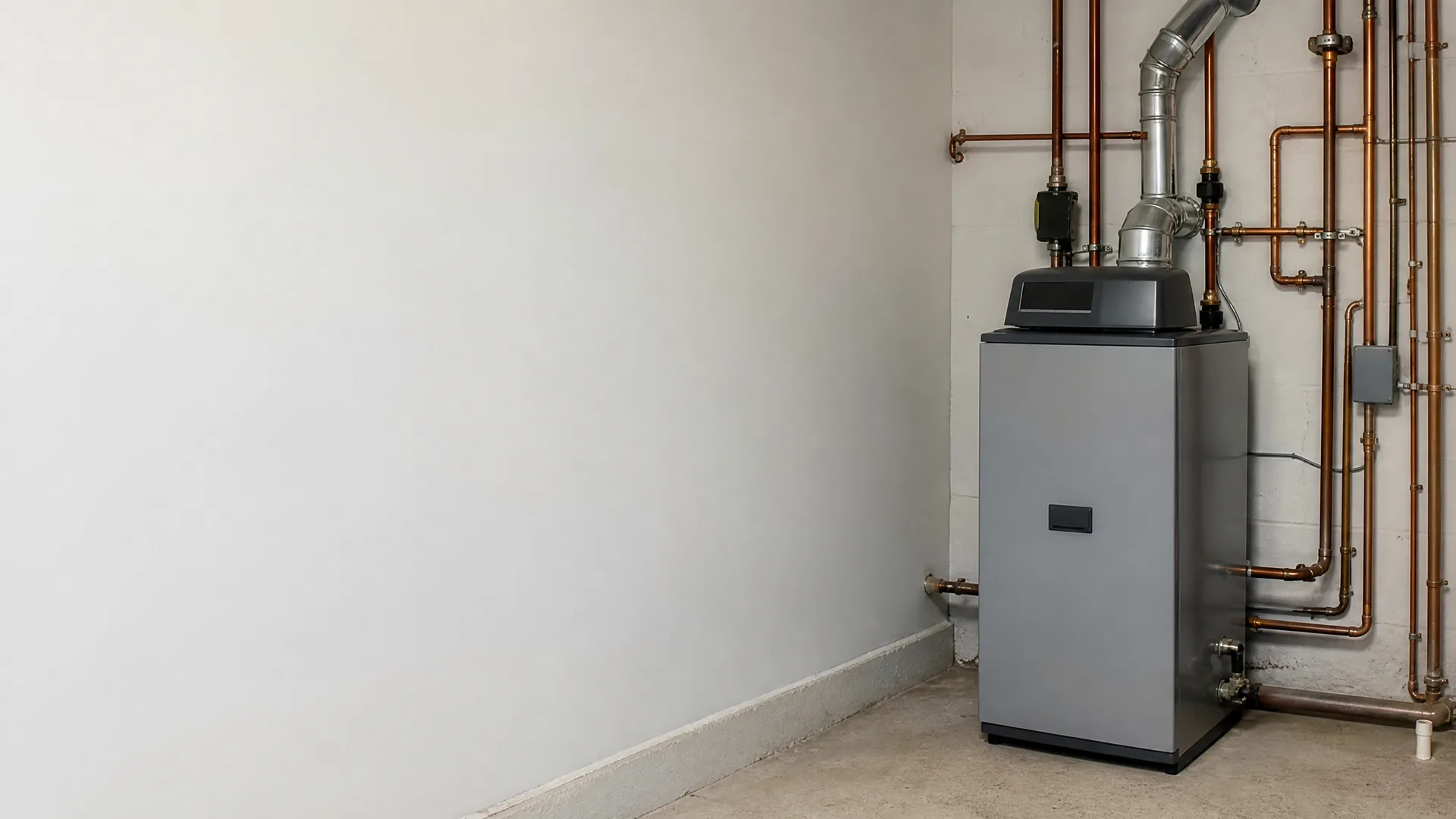
What the relief valve is for
The pressure relief valve exists to open if the system builds up too much pressure, protecting the boiler from damage. It isn't meant to open under normal conditions. If you find water at that valve or see pressure drop right after it discharges, the valve itself may be stuck slightly open or it may be doing its job because something upstream pushed pressure past where it should sit.
Winter nights average 36°F statewide
On a 36°F night your boiler runs long and often to hold the house warm, and every hour it runs adds strain at whatever spot is already letting water out. A system that might limp along in a mild stretch will show a dropping gauge faster once nights settle into the 30s.
NOAA nClimDiv 1991-2020 county normals weighted by homes



A dropping gauge has a reason behind it
Your boiler's pressure doesn't fall for no reason. Water or air is getting out somewhere in the loop, whether that's a valve, a seal, or a joint, and the gauge is just telling you about it sooner rather than later. Catching it now, before a weep turns into a leak you can't ignore, is the difference between a simple repair and a bigger one.
Finding someone to look at it is its own chore. Searching for a contractor, calling a few, describing the same drop in pressure to each one, then sorting through what they quote you back takes time you'd rather not spend on a problem you already understand. Submitting this page gets you matched with a contractor who works on boilers like yours in South Carolina, and that contractor will reach out to you directly. You skip the searching and the repeating, and you can talk about what your gauge has been doing with someone who can actually do something about it.





Boiler Repair
A pro who works on boilers
Answer a few questions instead of calling shop after shop.
