


Running clean
Water moves freely through the heat exchanger and out to the copper lines feeding every radiator. The burner fires, heats the water, and shuts off without a sound beyond the normal hum of the pumps.
That banging is water hitting trapped steam pockets inside the boiler, a problem plumbers call kettling. It happens when sediment builds up on the heat exchanger, usually from minerals in the water supply, and that layer traps water underneath it. The trapped water flash-boils, turns to steam, and collapses with a bang you can hear through the house. Since most homes in South Carolina heat with electricity, an electric boiler doesn't change why this happens, but it does mean the fix is cleaning or flushing the tank rather than touching a gas line. Left alone, the sediment keeps building and the heat exchanger works harder to do the same job, which wears it out sooner. Catching it now, while it's a cleaning job, keeps it from turning into a cracked exchanger later.
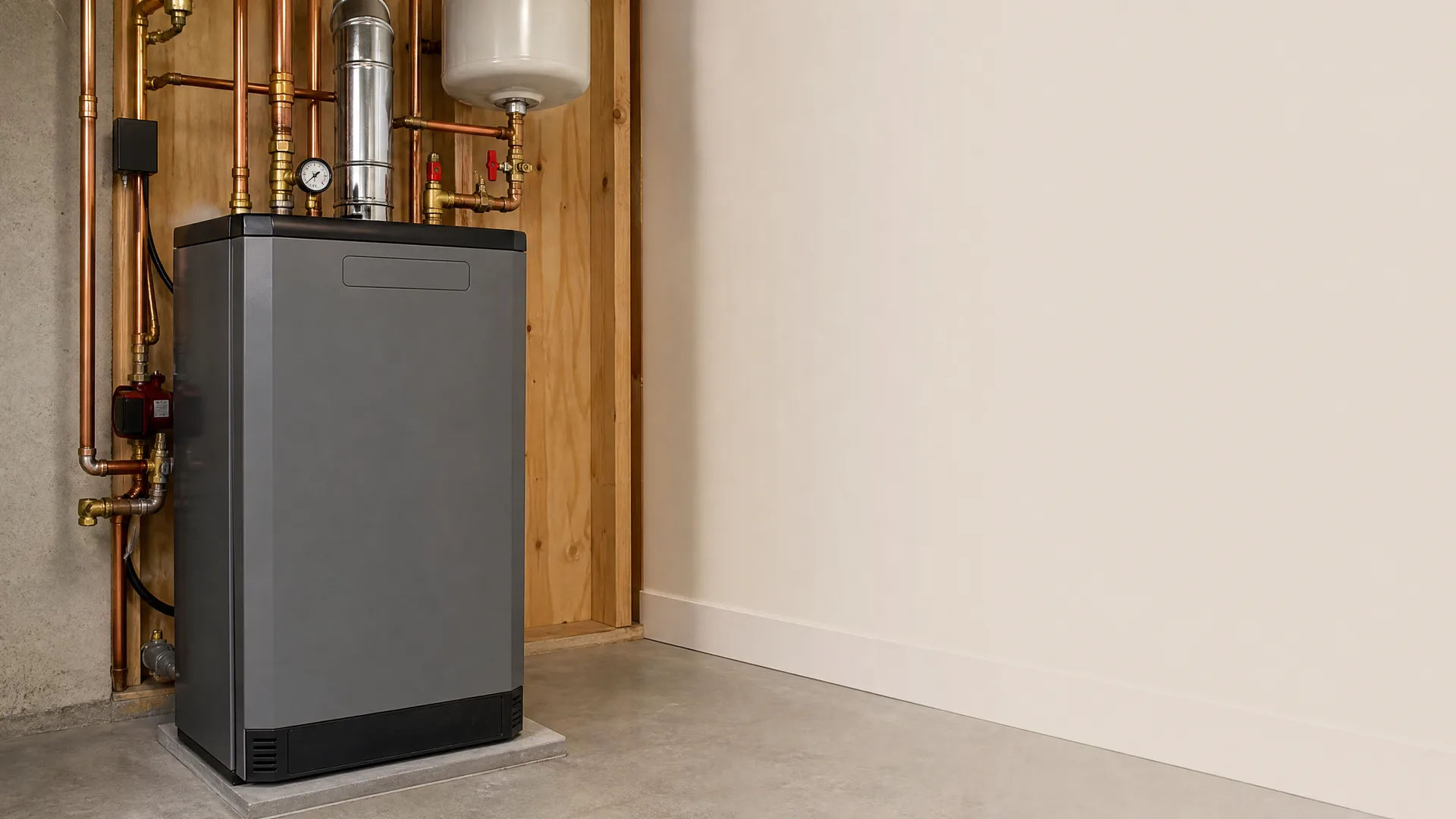
Boilers that run on a closed loop still lose small amounts of water through the expansion tank and valves, and each refill brings fresh minerals with it. Those minerals settle on the hottest surface in the system, the heat exchanger, and bake into a hard layer. Electric heat keeps the rest of the house warm in most South Carolina homes, so a boiler here is often carrying the load for one zone or for hot water, running in shorter bursts that still deposit scale each time.
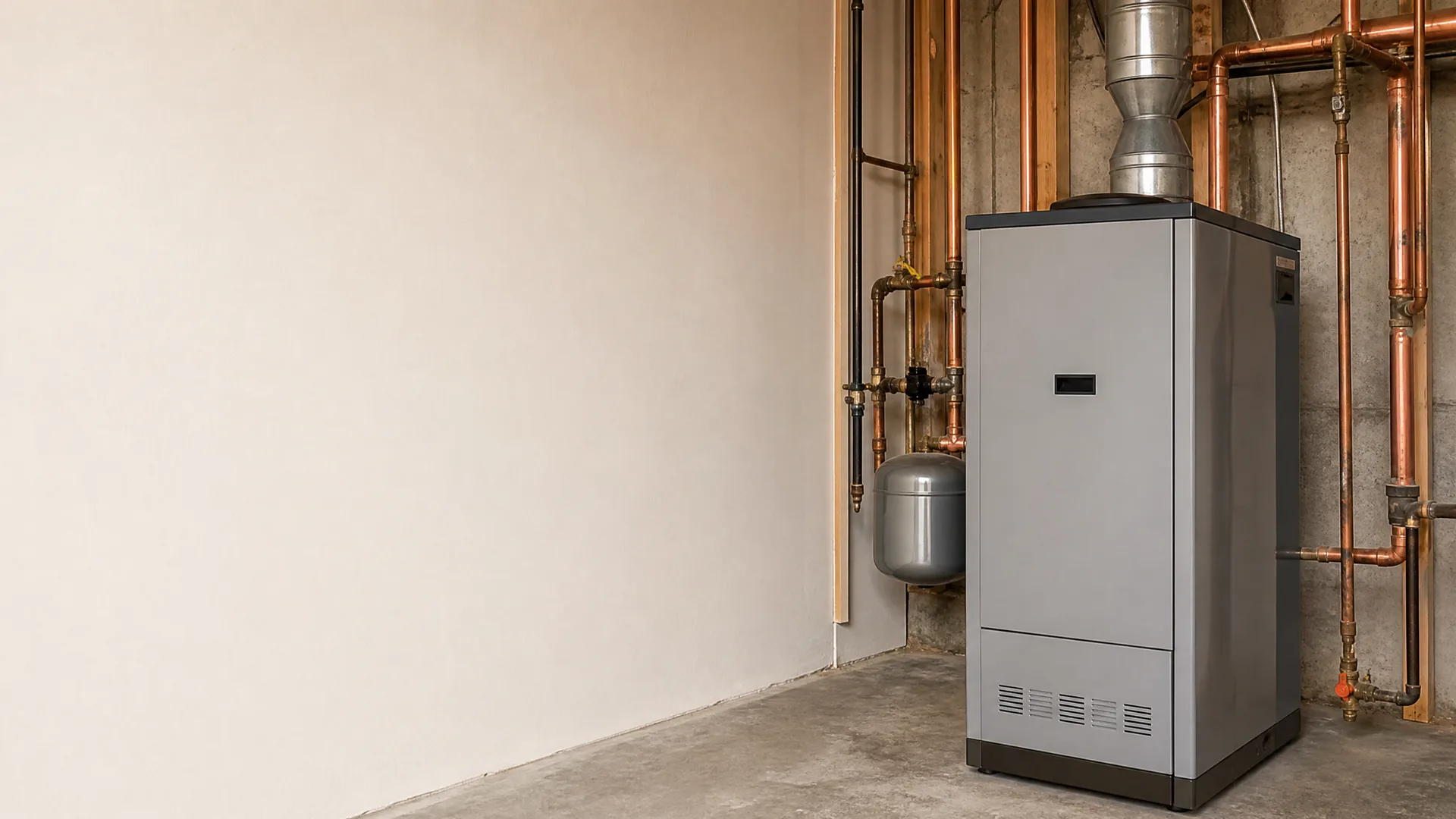
Kettling means the heat exchanger is working harder to push heat through a layer it was not built to have. Left alone, that extra strain can crack the exchanger or wear out the seals around it, turning a bang into a leak. A boiler making this noise is still running and still heating water, so the problem is one to schedule, not one to panic over, but it will not quiet down on its own.
Is this banging going to damage my boiler if I leave it?
That sediment layer sits between the heat exchanger and the water it's supposed to transfer heat into. Every cycle, the metal underneath has to get hotter to push heat through it, and over time that extra heat stresses the exchanger until it cracks. A cracked heat exchanger is a far bigger repair than cleaning one that's just starting to collect scale. The banging also means parts of the exchanger are heating unevenly, which wears on the welds and joints faster than normal use would. With most South Carolina homes heating on electricity, a boiler running harder than it needs to also shows up on the power bill. A contractor can flush the system and check how much scale has built up before deciding what it needs.

Ice has crept up the inside of the window glass, and the radiator under it ticks, then bangs, loud enough that you look up from your coffee. It is January, barely light out. You've had this boiler checked before over the years, little things, nothing that turned into a real problem, and that banging is exactly the kind of noise you don't let ride. You set the mug down and go find the model number on the boiler's plate, already thinking about who to call before you head out for the day. The radiator knocks again, softer this time, like it's settling.
Send the request today and stop worrying about who to call.
You're not committing to anything by asking.
Inside the boiler, the heat exchanger is the metal surface the burner heats directly, and it's where the water picks up its heat before moving out to the radiators. When sediment coats that surface, it doesn't coat it evenly. Water gets trapped in small pockets underneath the layer, right against the hottest metal in the whole system. That trapped water flashes to steam faster than it can escape, and when it collapses back against the cooler water around it, you get the bang. Early on, with just a thin layer down, the sound is short and sharp, almost like a tick. As more sediment bakes on over weeks or months, the pockets get bigger and the collapse gets louder and duller, more like something hitting a pipe than a knock. It's loudest right when the burner kicks on and the exchanger is heating up fastest, then it tends to settle once the whole system reaches temperature and the trapped pockets work themselves out. None of this starts at the radiators, even if that's where it sounds like it's coming from. A flush clears out the loose material sitting in the system, but sediment that's hardened onto the exchanger over time usually needs a descaling solution to break it free first. How fast it comes back after that depends mostly on how hard the water is coming into the system.




Water sits in the boiler's heat exchanger, heated from below.
Sediment settles on the exchanger and traps a layer of water.
Trapped water overheats fast and flashes into steam pockets.
Steam collapses as cooler water rushes back in behind it.
Winter nights here average 36°F, so your boiler is cycling on through most of the night, not just running once at bedtime. Every one of those cycles pushes water past that sediment layer, and more cycles mean more chances for kettling to start.
NOAA nClimDiv 1991-2020 county normals weighted by homes
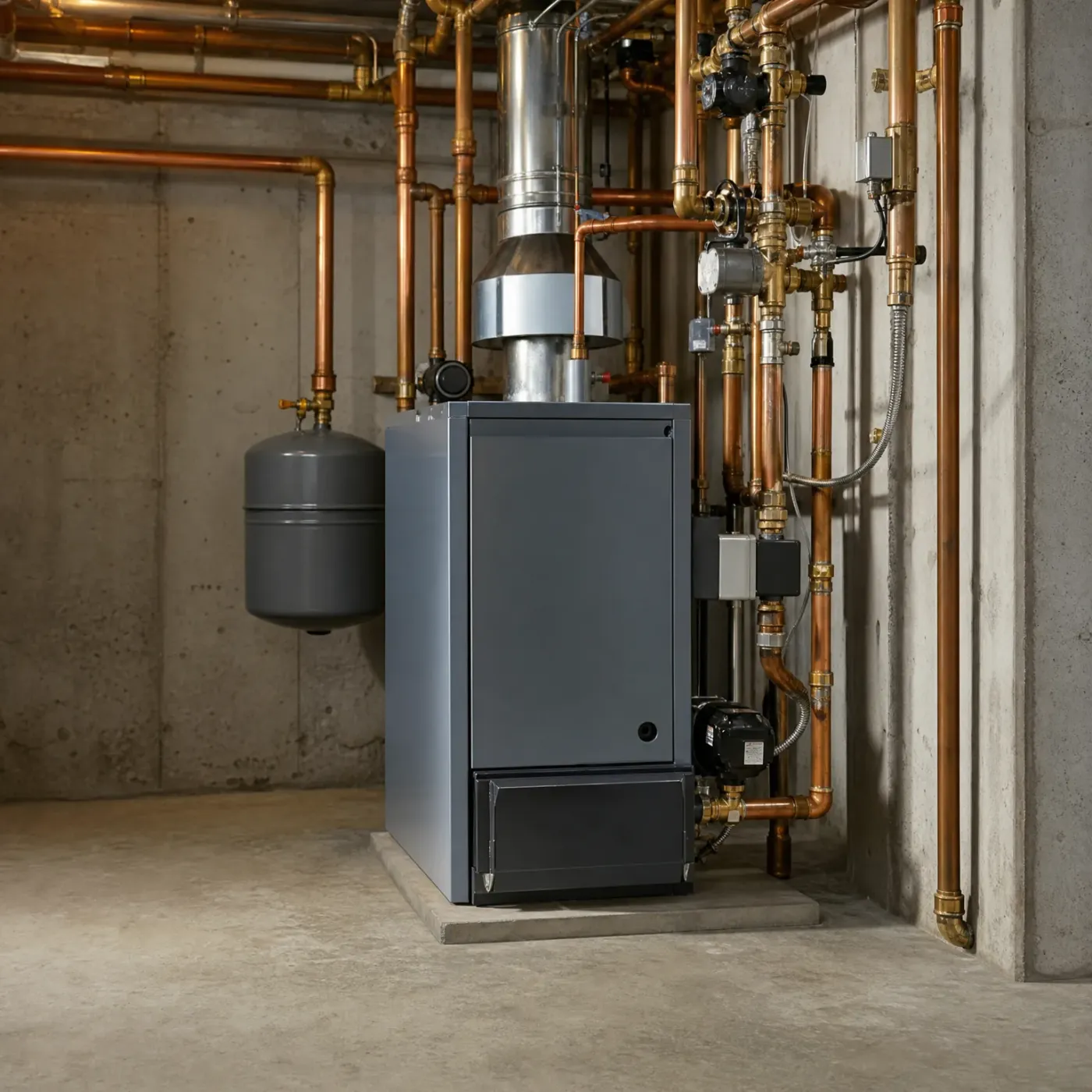
Water moves freely through the heat exchanger and out to the copper lines feeding every radiator. The burner fires, heats the water, and shuts off without a sound beyond the normal hum of the pumps.
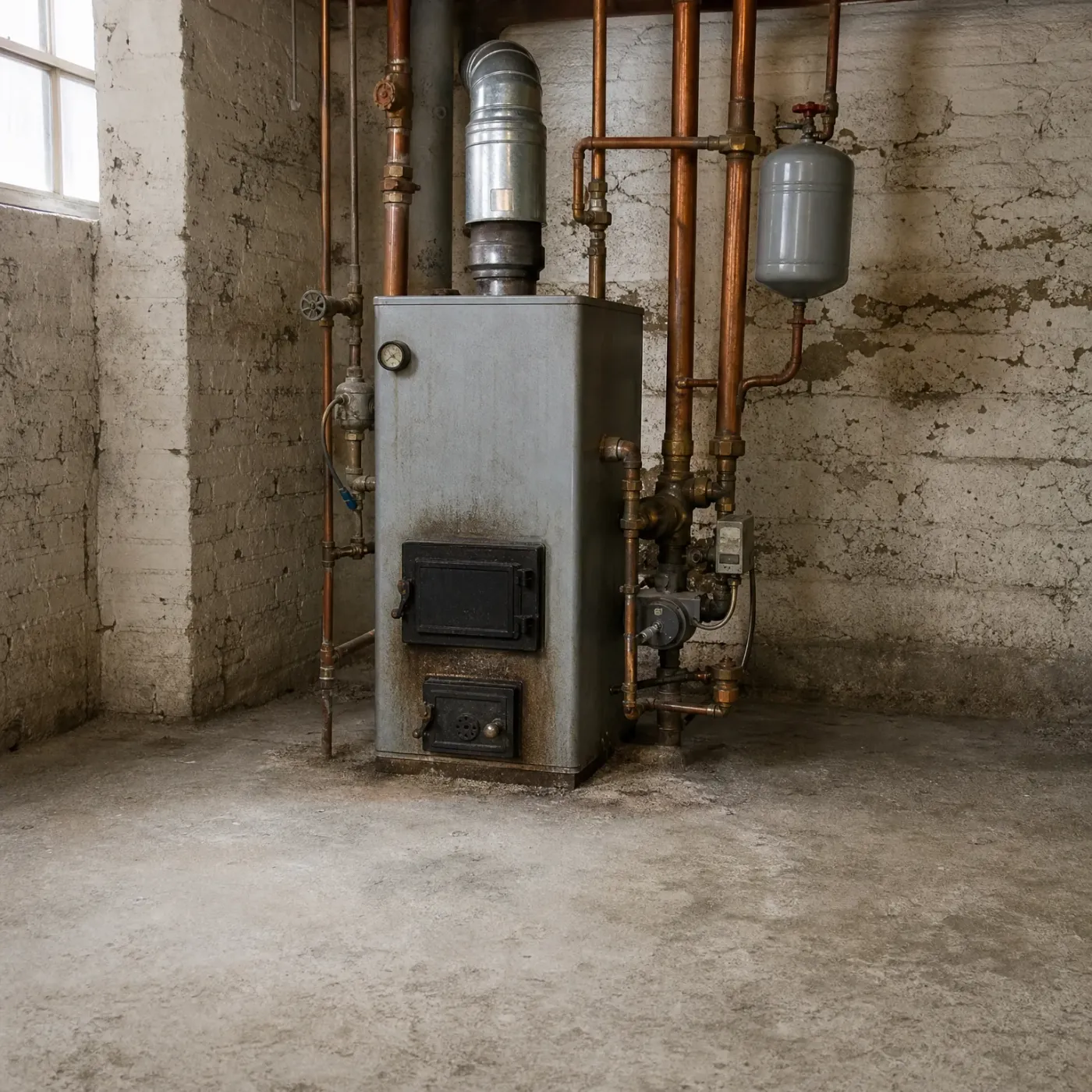
That same cast iron boiler now has a layer of scale sitting on the exchanger floor. Water trapped underneath flashes to steam and collapses, and the bang travels up the flue and through the pipes into the house.

The noise is water trapped under a layer of sediment on the heat exchanger, flashing to steam and collapsing again each time your boiler fires. That's kettling. It doesn't go away by itself, and it doesn't stay the same. It gets louder as the layer builds.
A boiler making that sound needs a look from someone who can get to the heat exchanger and see how much has built up. Once you send in your request, the work of finding that person is off your plate. You'll be matched with a contractor who handles boiler repair for homes in South Carolina, and they'll be the one who reaches out to you.



A boiler that kettles isn't going to quiet down on its own, and the longer that sediment sits on the heat exchanger, the harder it works for the same heat. A licensed plumber can flush the system or descale the exchanger, and in some cases that clears it outright. Send the form and a contractor who handles boiler repair in South Carolina will reach out to look at yours. You won't be the one tracking down who's available.
Send the request and finding a pro stops being your problem.
It costs nothing to send, and you don't have to hire anyone.