Idle most of the year
A boiler that only runs a handful of months sits unused far longer than it works, and valves and circulators seize up faster when they sit than when they run.

Cold radiators are a strange thing to deal with in a state where boilers already sit idle most of the year. You turn up the heat on a January night and nothing happens, or the radiator in one room stays cold while another warms up fine. Since most houses here run on electric heat, a boiler getting used so rarely makes the problem harder to place, and you want to know what's actually keeping the heat from reaching the room.
A radiator that stays cold, or warms up only partway, almost always has air trapped inside it where water should be. That air collects in the high point of the radiator and blocks the hot water from filling it. It happens more often in boilers that sit unused for long stretches between cold snaps, which is common here since South Carolina winters only call for heat a few months a year. Low water pressure in the system can cause the same thing, and so can a stuck valve on the radiator itself. If only one radiator is cold, the problem is usually local to that unit. If every radiator is cold, the boiler itself needs a look.




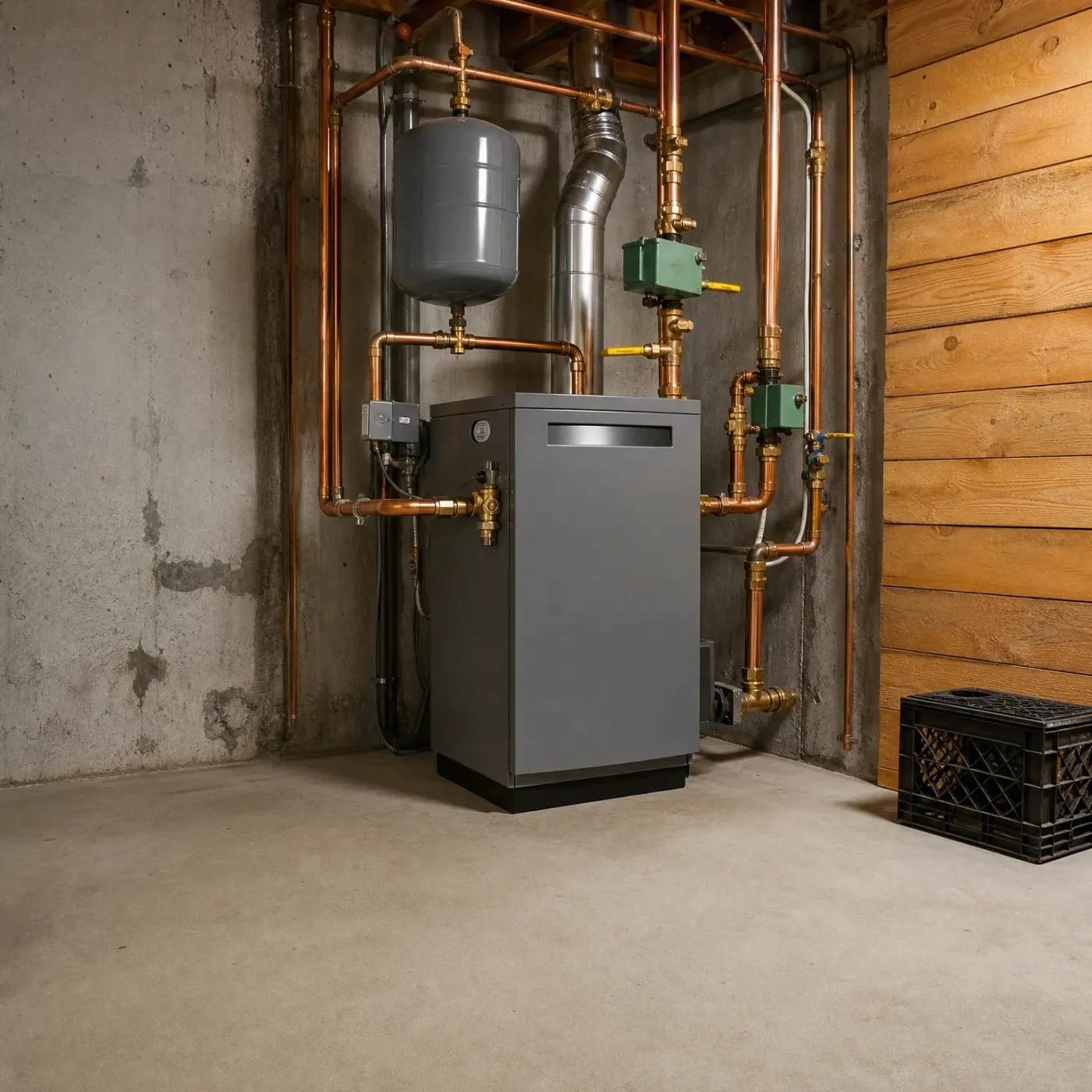
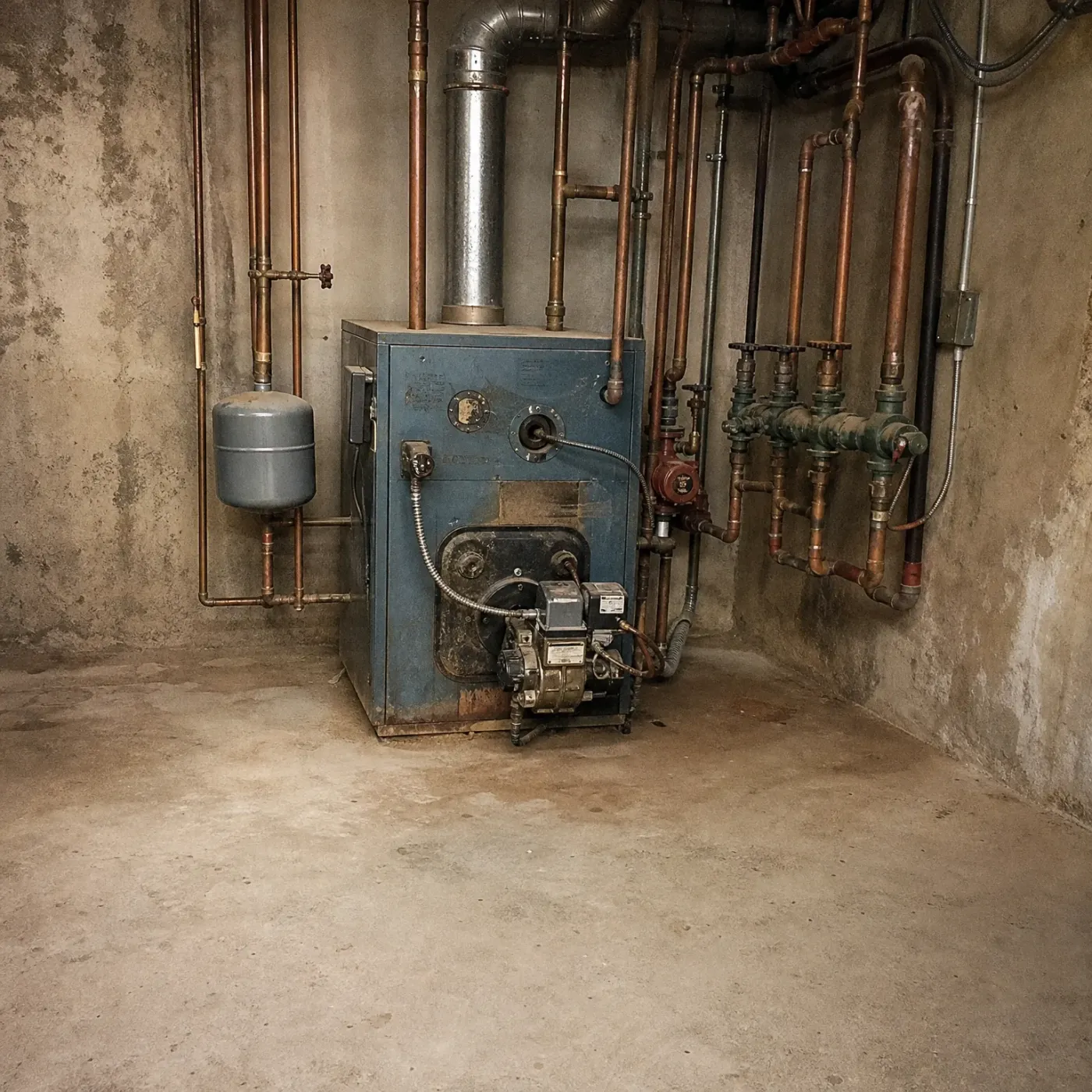
A radiator that's warm at the bottom and cold at the top has air trapped inside it, plain and simple. Water can't fill the space air is sitting in, so heat stops right where the air starts. The fix is bleeding it: open the small valve at the end until the hiss of air turns into a steady dribble of water. A radiator that's cold everywhere is a different problem. That points to something stopping water before it ever gets there, a closed valve, a zone valve that's stuck, or a circulator that's given up moving water through that loop. Older radiators have their own trouble. Sludge and mineral deposits build up inside them over years and choke off flow even when the boiler itself is running fine. Low system pressure causes trouble too, especially for radiators upstairs or at the far end of the house, since there isn't enough push to get water that far. And sometimes the thermostat is set right but never gets its signal to the boiler, because a wire came loose somewhere in between.
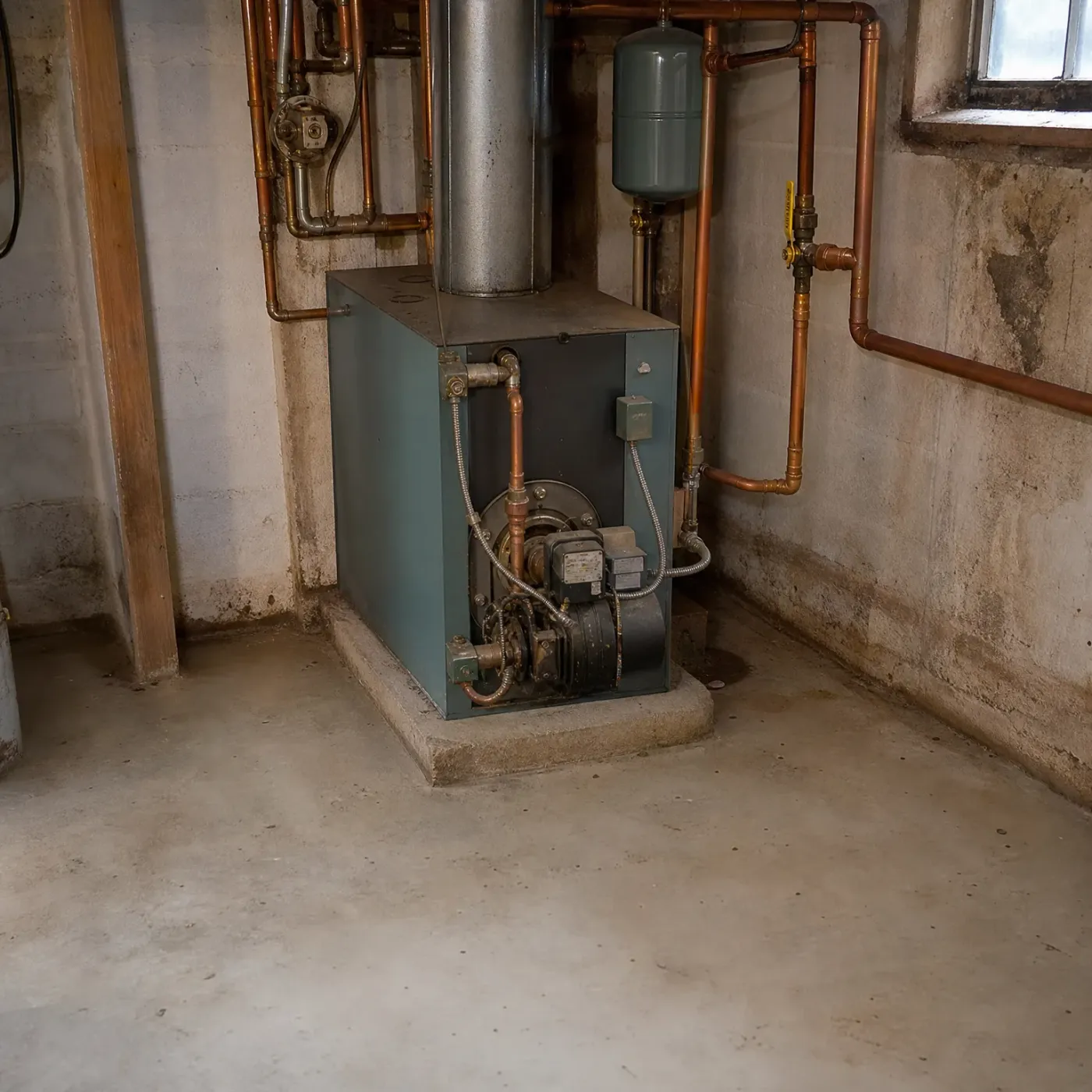
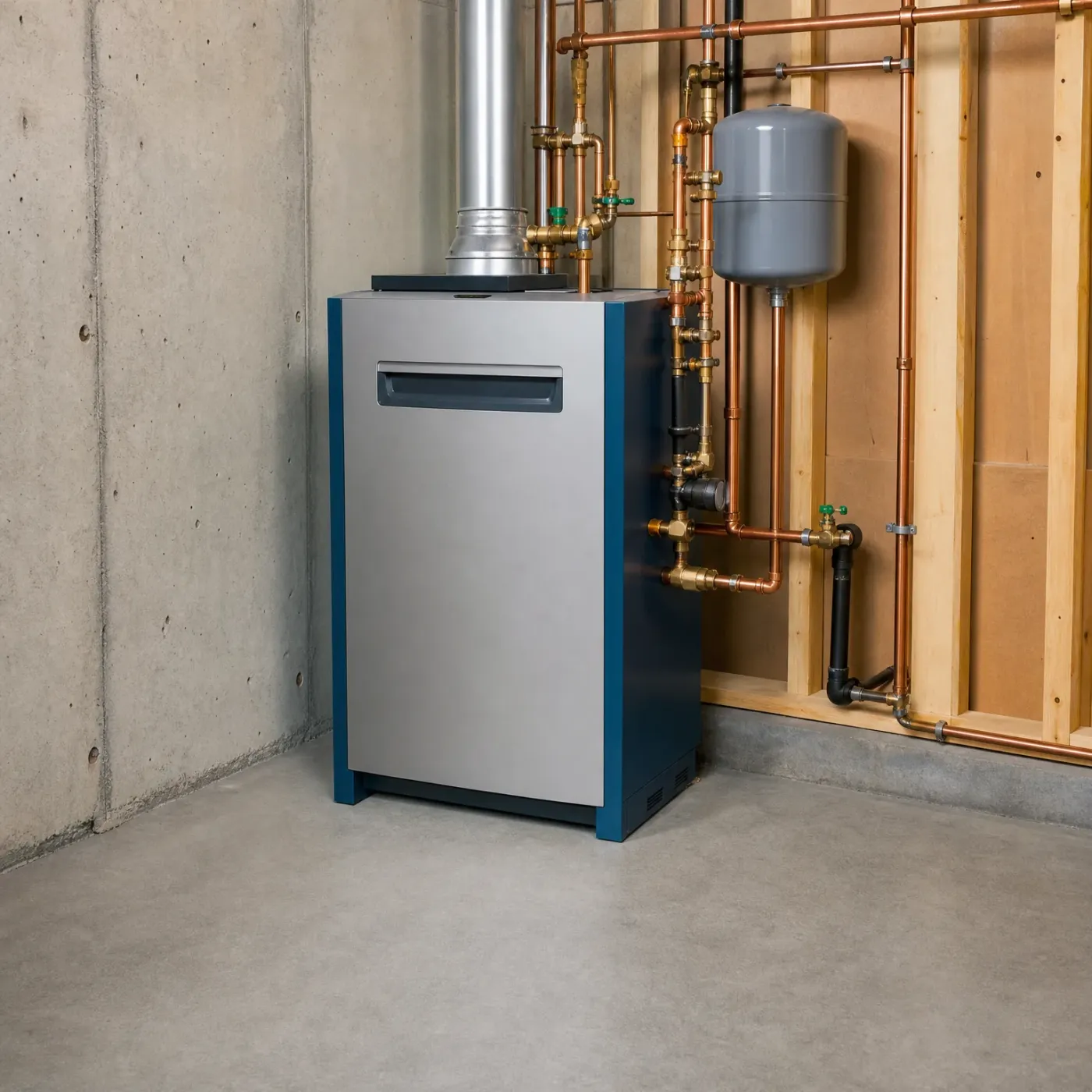
A boiler that only runs a handful of months sits unused far longer than it works, and valves and circulators seize up faster when they sit than when they run.
A single radiator staying cold while the rest heat up usually points to one stuck valve or one air pocket, not a failing boiler.
Walk the rooms and check each radiator by hand. One might be cold at the top and warm at the bottom. Another might be cold straight through while the rest of the house heats fine. You may hear gurgling or knocking in the pipes, or nothing at all where there should be a faint hum from the circulator. The thermostat says the system is running, but that one room stays cold enough that you're reaching for a space heater. Left alone, a stuck valve or a seized part doesn't fix itself over a summer of sitting idle. By the time next winter starts, the same room, or another one, is cold again.


Fill out one short form instead of calling around.
Sending the form costs nothing.
If a radiator is cold at the top and warm at the bottom, bleeding it is worth trying before anyone comes out. Shut off the boiler, let the system cool, and open the bleed valve with a radiator key until water runs out steady instead of air hissing. Close it and check the radiator again once the boiler is back on. This fixes a radiator that's cold from trapped air. It does nothing for a radiator that's cold straight through, or for one room that stays cold while the rest of the house heats fine. That points to a stuck valve or a seized part, and no amount of bleeding will open it.
A radiator that stays cold after bleeding, or one that was cold straight through from the start, has a mechanical problem somewhere between the boiler and that room. A stuck zone valve, a seized circulator, or a blocked line won't open back up on its own, and taking the radiator apart to find out which one it is isn't a one-evening job. Sending the form means you stop being the one who has to track down a boiler tech, call around for someone who can look at a system that's barely run since last winter, and explain the same cold radiator three times over. That part is handled once you send it.
On a night in the 30s your boiler is running long and steady to keep every room warm, so a zone valve that won't open or a radiator full of air shows up fast as a cold spot you can feel.
NOAA nClimDiv 1991-2020 county normals weighted by homes
A radiator that won't heat up is never a mystery once you know where to look. Air trapped inside keeps the top cold while the bottom stays warm, and a bleed valve clears that in minutes. A radiator cold from top to bottom while the rest of the house is fine points somewhere else, to a zone valve that won't open or a circulator that seized after sitting idle most of the year, the way boilers here do. Either way, the cold room is pointing right at the part that quit.
Bleeding is worth trying first. Past that, it's a job for someone who knows the boiler, not a guessing game you run yourself. That's the part that takes the evening out of your hands if you let it. Instead of calling one contractor after another, describing the same cold radiator and the same gurgling pipe each time, you send the details once. Instead of sitting with three quotes trying to guess which one actually knows boilers, someone who already does the work gets matched to the job. You still wait for the knock on the door, but you're not the one doing the searching, the calling, or the comparing while you wait. The radiator stays cold until it's fixed. What changes is whether you spend your evening chasing that fix or just expecting it.





Explain the job once and skip repeating it on every call.
You're not committing to anything by asking.
